-
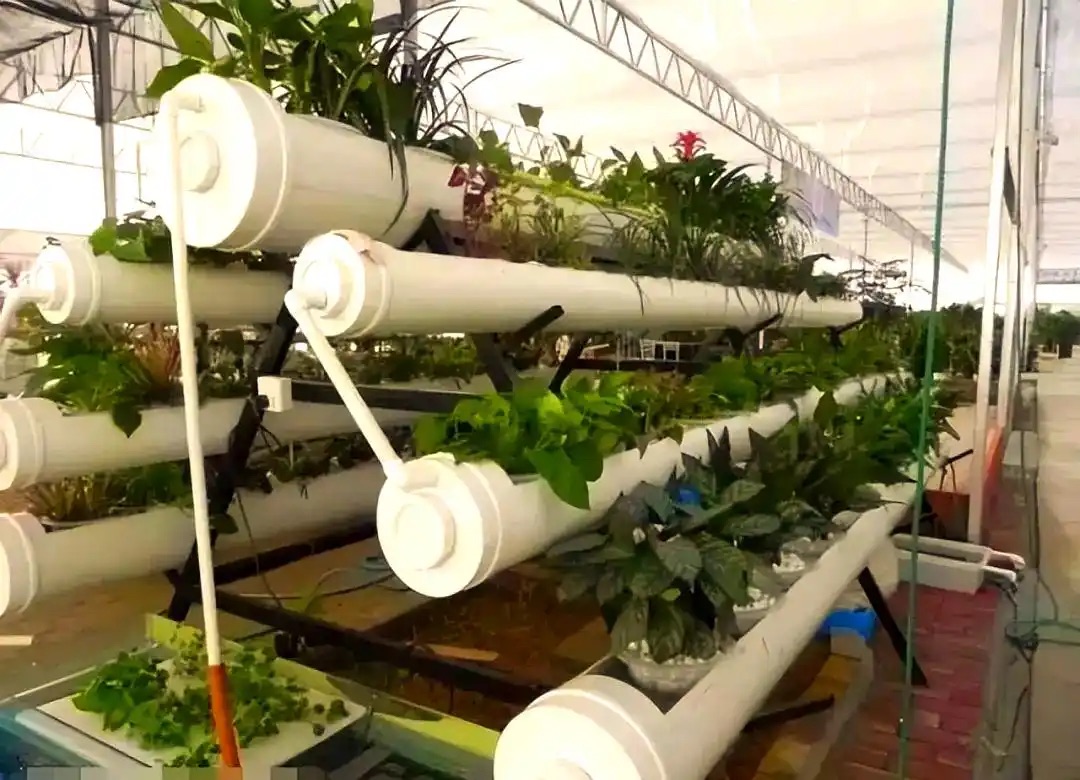
What Are HDPE, Steel Wire Composite, PPR, PE-RT, PB, PVC, and MPP Pipes?
Plastic pipes have replaced traditional metal pipes in most construction, municipal, industrial, and electrical projects due to their corrosion resistance, lightweight design, and long service life. In the plumbing and pipeline industry, seven types of plastic pipes are widely used: HDPE water s...Read more -
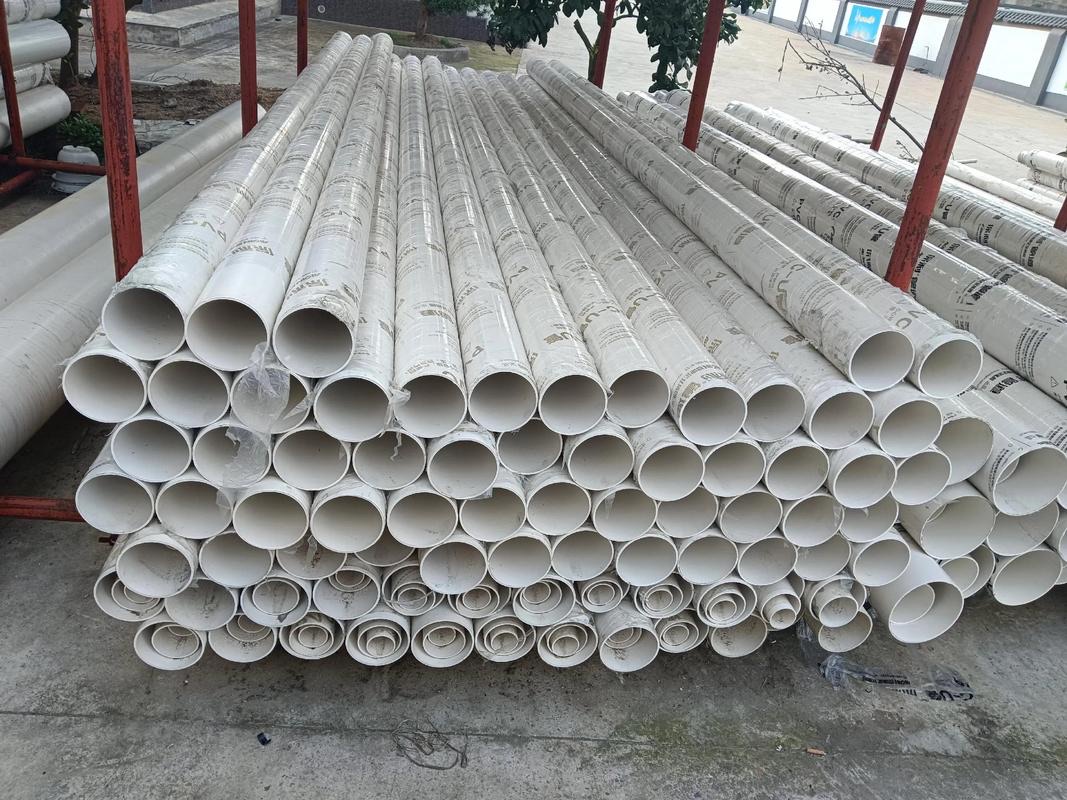
How to Choose Suitable PVC-U Drain Pipes for Purchasers
As a purchaser, selecting high-quality, cost-effective PVC-U drain pipes is critical to ensuring project quality, reducing maintenance costs, and enhancing your business reputation. PVC-U drain pipes are widely used in building drainage, industrial sewage, and residential plumbing due to their c...Read more -
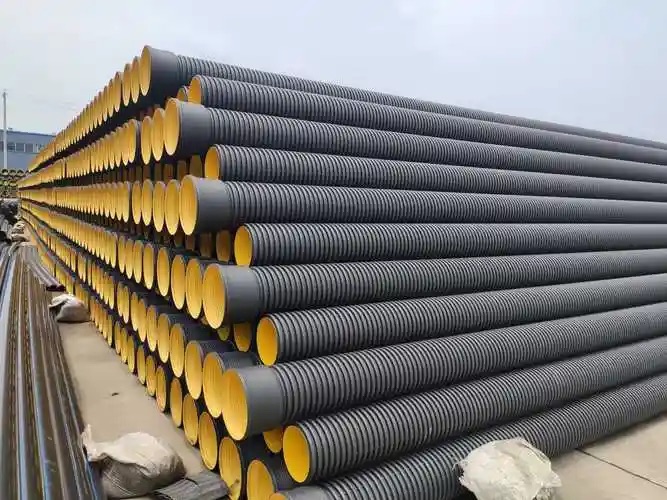
PVC Pipe Winter Protection Guide: Prevent Freezing and Damage
PVC pipes are widely used in drainage, water supply, and industrial systems for their durability and cost-effectiveness, but they are vulnerable to cold weather damage. Winter temperatures below 0°C (32°F) can cause water inside PVC pipes to freeze and expand, leading to cracking, bursting, and ...Read more -
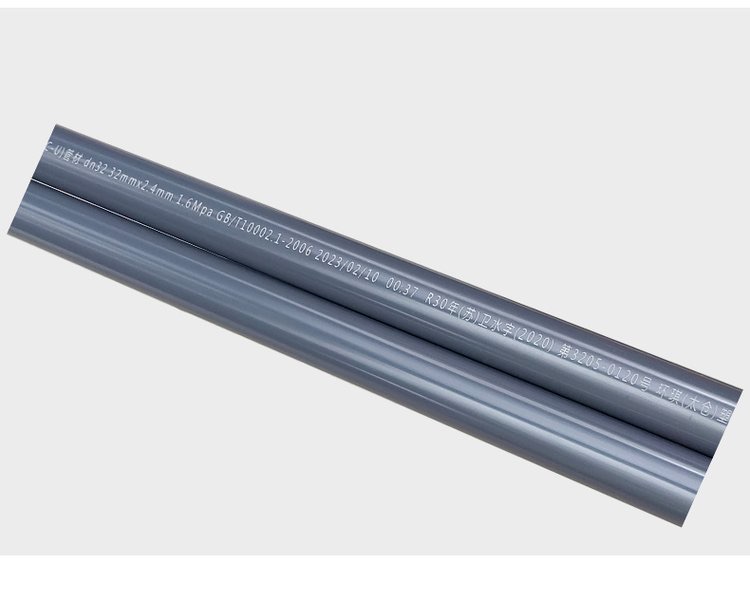
Under What Conditions Do PVC Pipes Freeze? | Full Guide
1.Under What Conditions Do PVC Pipes Freeze? PVC pipes are widely used in drainage, water supply, sewage and electrical conduit systems for their lightweight, corrosion-resistant and cost-effective properties. Many users assume PVC pipes are immune to freezing damage, but in fact, PVC pipes will...Read more -
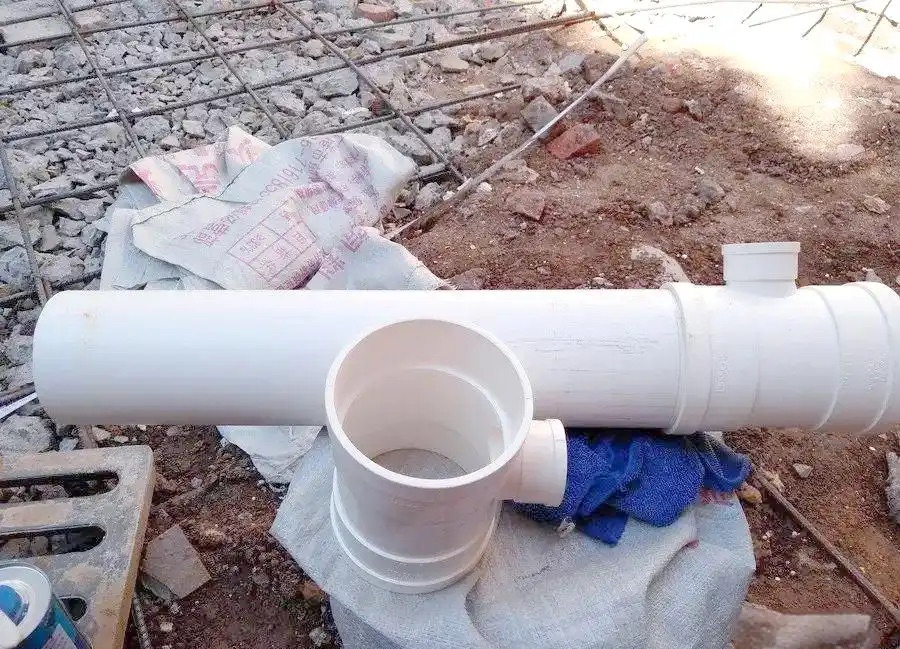
How to Install PVC Pipes | Step-by-Step Guide for DIY & Professionals
PVC (polyvinyl chloride) pipes are widely used in residential, commercial, and industrial applications for drainage, plumbing, and electrical conduits, thanks to their durability, corrosion resistance, and cost-effectiveness. Proper installation is critical to ensure leak-proof performance and l...Read more -
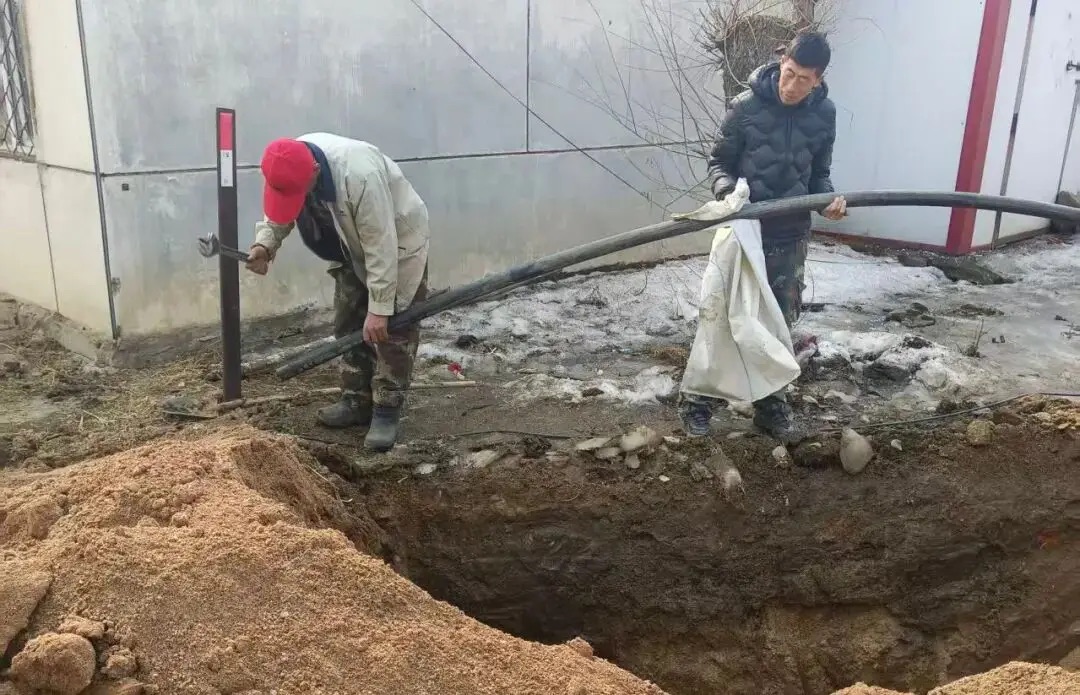
How to Thaw Engineering Pipes | Safe & Effective Methods
1.Why Engineering Pipes Freeze and the Risks of Improper Thawing Engineering pipes (including PE, PPR, PVC, and steel pipes) are prone to freezing in cold weather, especially in regions with temperatures below 0℃. Water inside the pipes expands when frozen, causing pipe bursts, leaks, and damage...Read more -
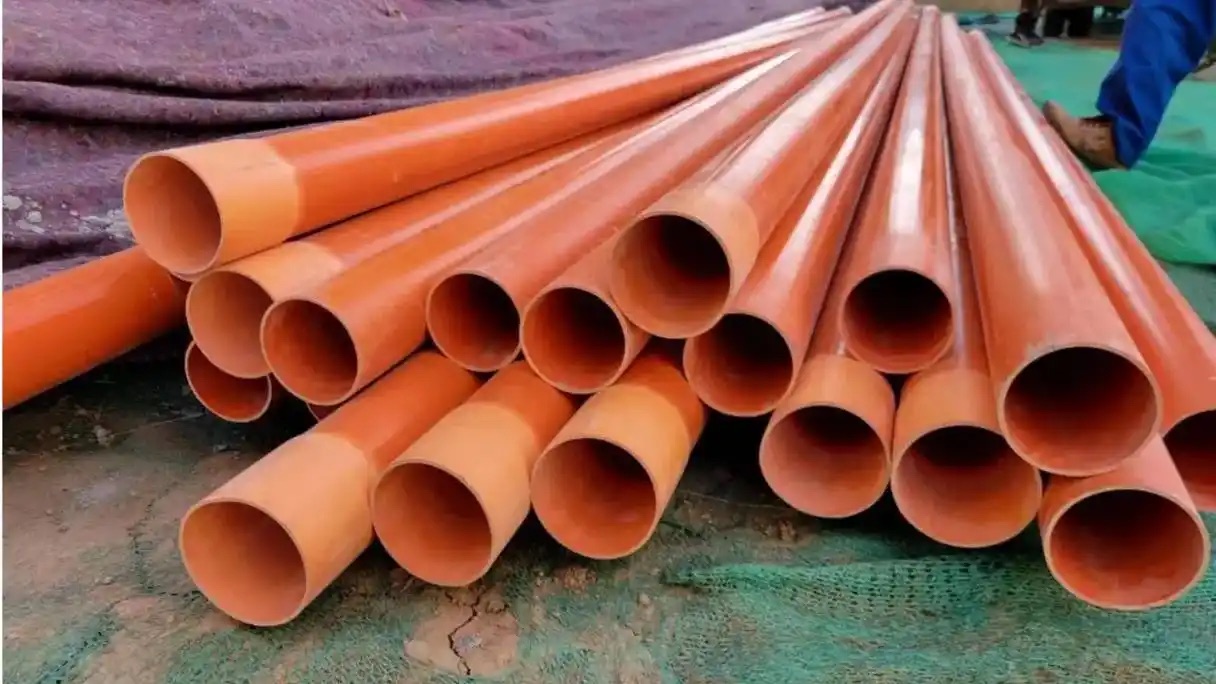
Can You Paint PVC Pipes? | Step-by-Step Guide & Best Paints
Can You Paint PVC Pipes? The Short Answer Yes, you can paint PVC pipes, but it requires proper preparation, the right type of paint, and correct application techniques. Unlike wood or metal, PVC (polyvinyl chloride) has a smooth, non-porous surface that resists paint adhesion. Without proper pre...Read more -
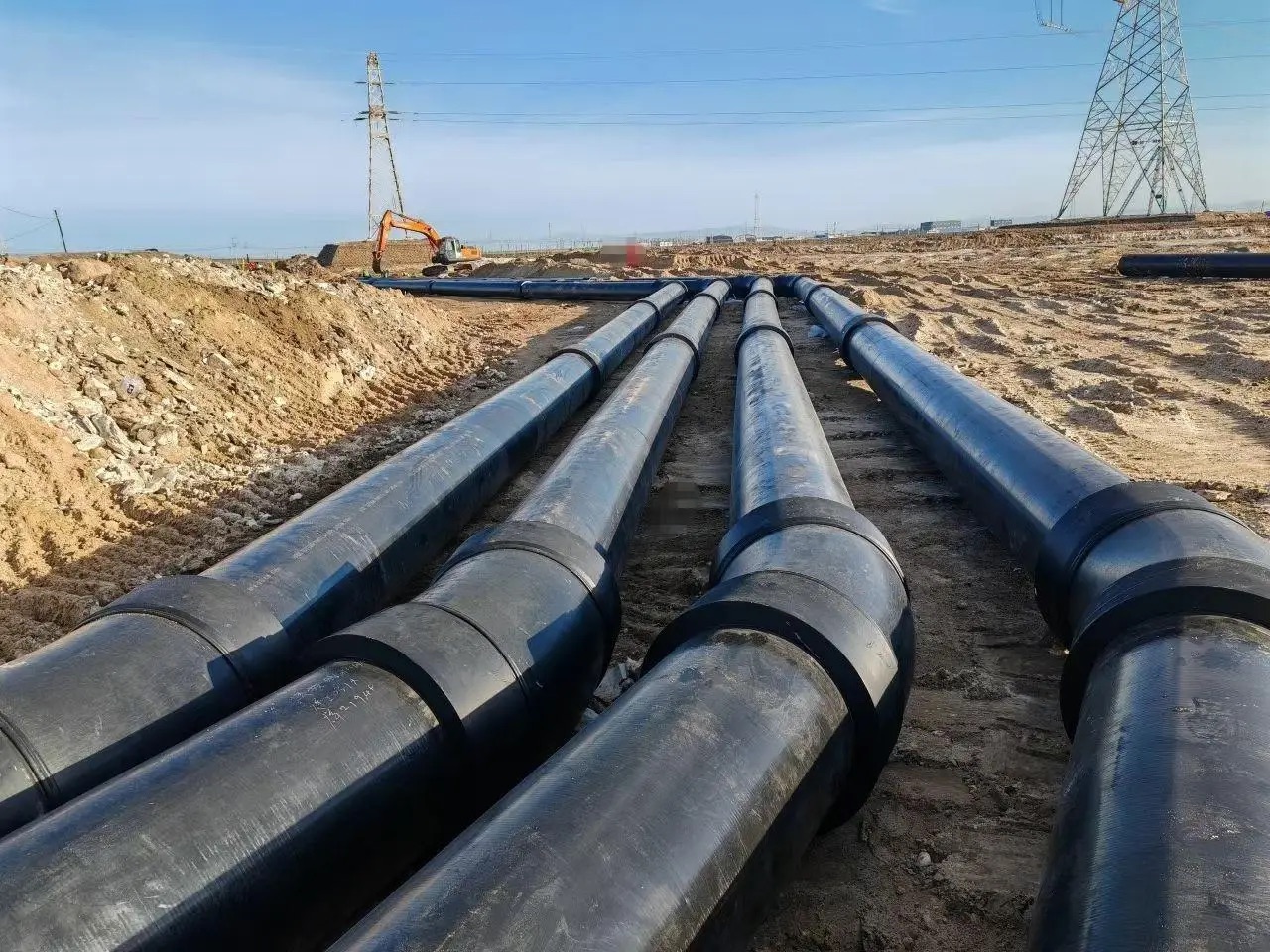
Ultimate Pipe Selection Guide for North America | ASTM/CSA Compliant Pipes
1. Core Standards for North American Pipe Market North America, covering the United States and Canada, has strict and unified pipeline industry standards, which are the primary basis for pipe selection. All pipes used in engineering and civil projects must comply with ASTM (American Society for ...Read more -
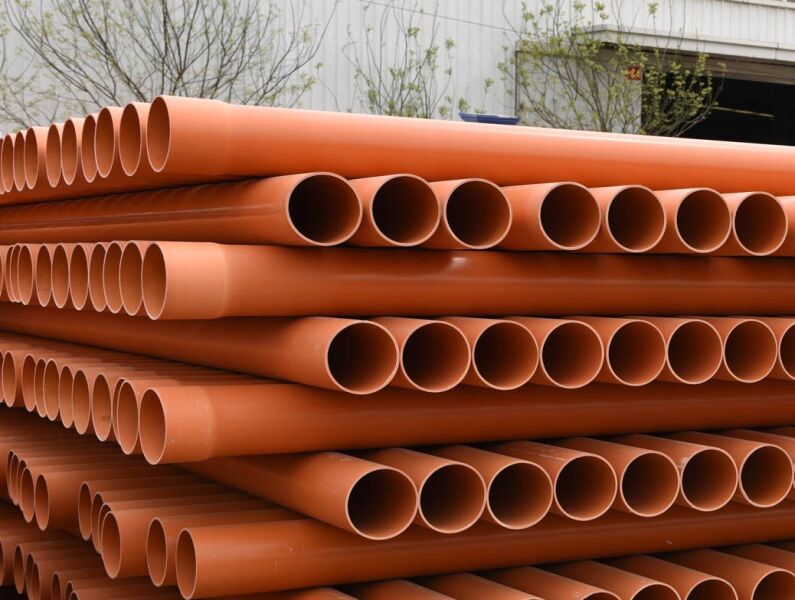
MMP Pipe Selection Guide | High-Quality MMP Pipes for Industrial Use
1.What is MMP Pipe and Its Core Advantages MMP (Modified Matrix Polymer) pipe is a high-performance modified plastic pipe, developed based on PE, PPR, or PVC raw materials with advanced modification technology. It integrates the advantages of traditional plastic pipes—such as corrosion resistan...Read more -
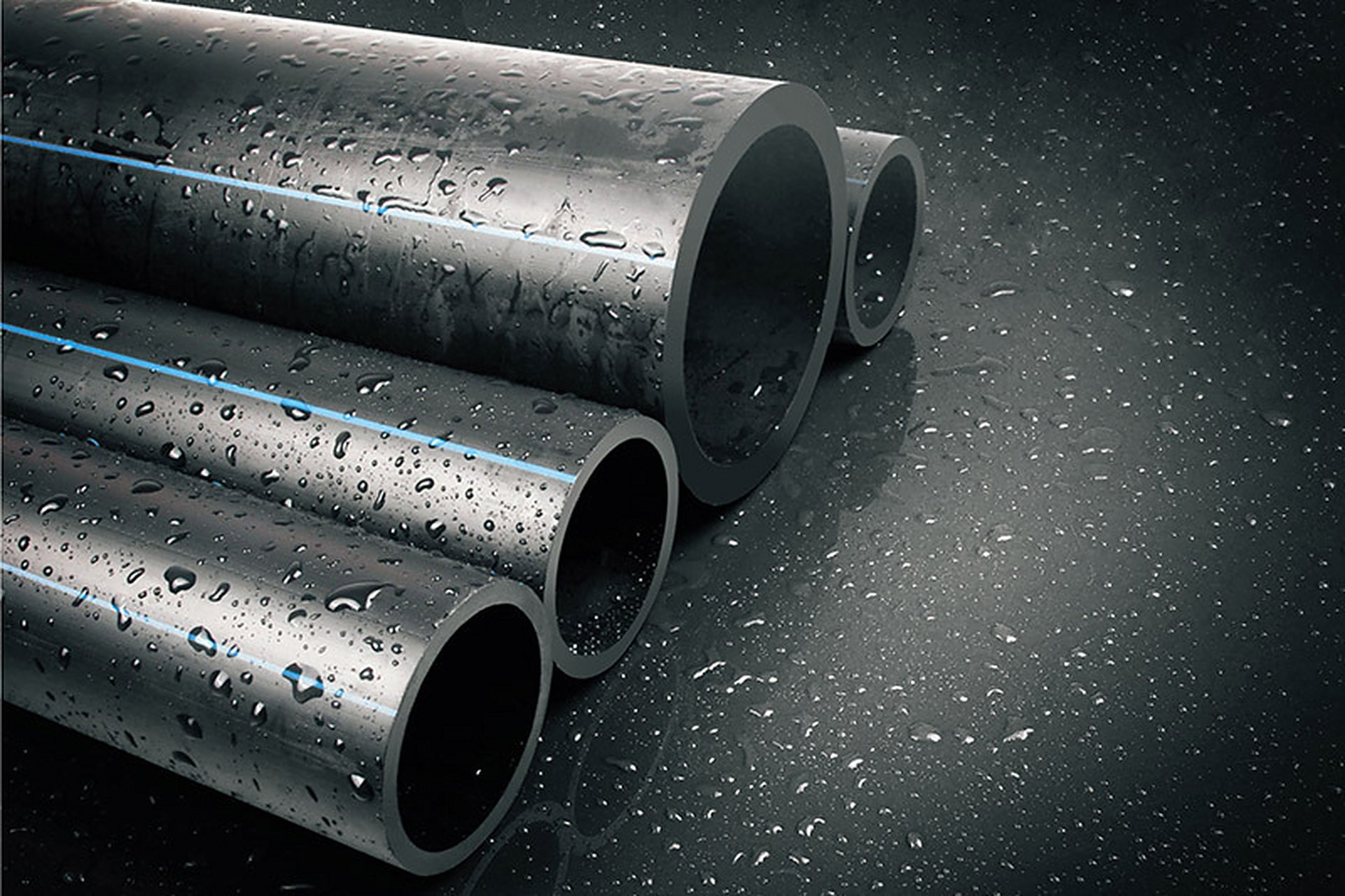
Pipe Selection Guide for Hot Weather
1.Key Challenges Pipes Face in Hot Environments In hot climates, strong sunlight, high temperatures, and long-term UV radiation will cause serious damage to ordinary plastic pipes. Common problems include softening, deformation, discoloration, cracking, accelerated aging, and shortened service l...Read more -
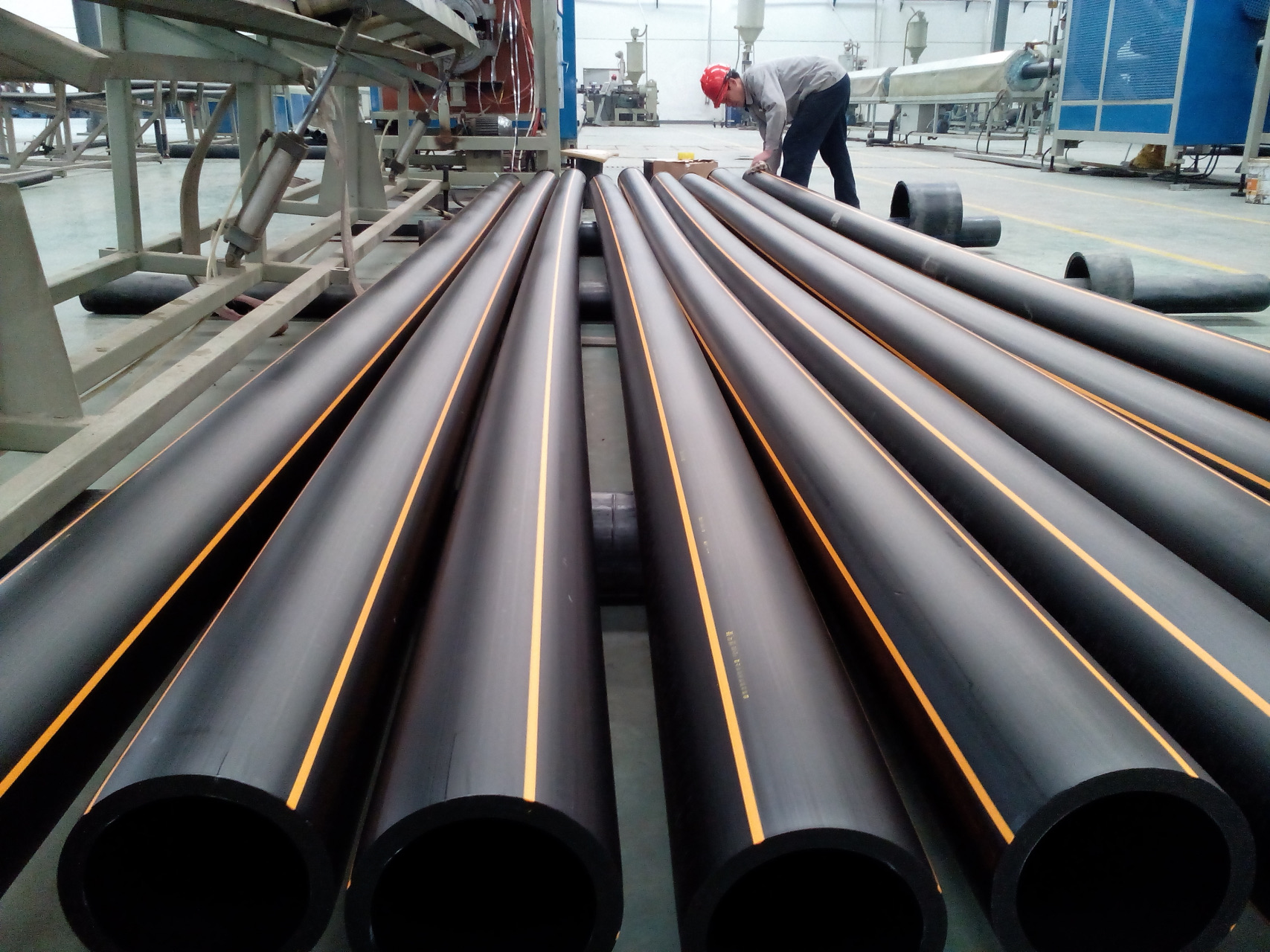
Pipe Selection Guide for Extremely Cold Weather
1.Core Challenges of Pipes in Frigid Environments In extremely cold regions (-20℃ to -40℃), ordinary plastic pipes are prone to brittle cracking, frost heaving, and leakage, directly affecting project safety and service life. Low temperatures harden resin molecular chains and reduce toughness. T...Read more -
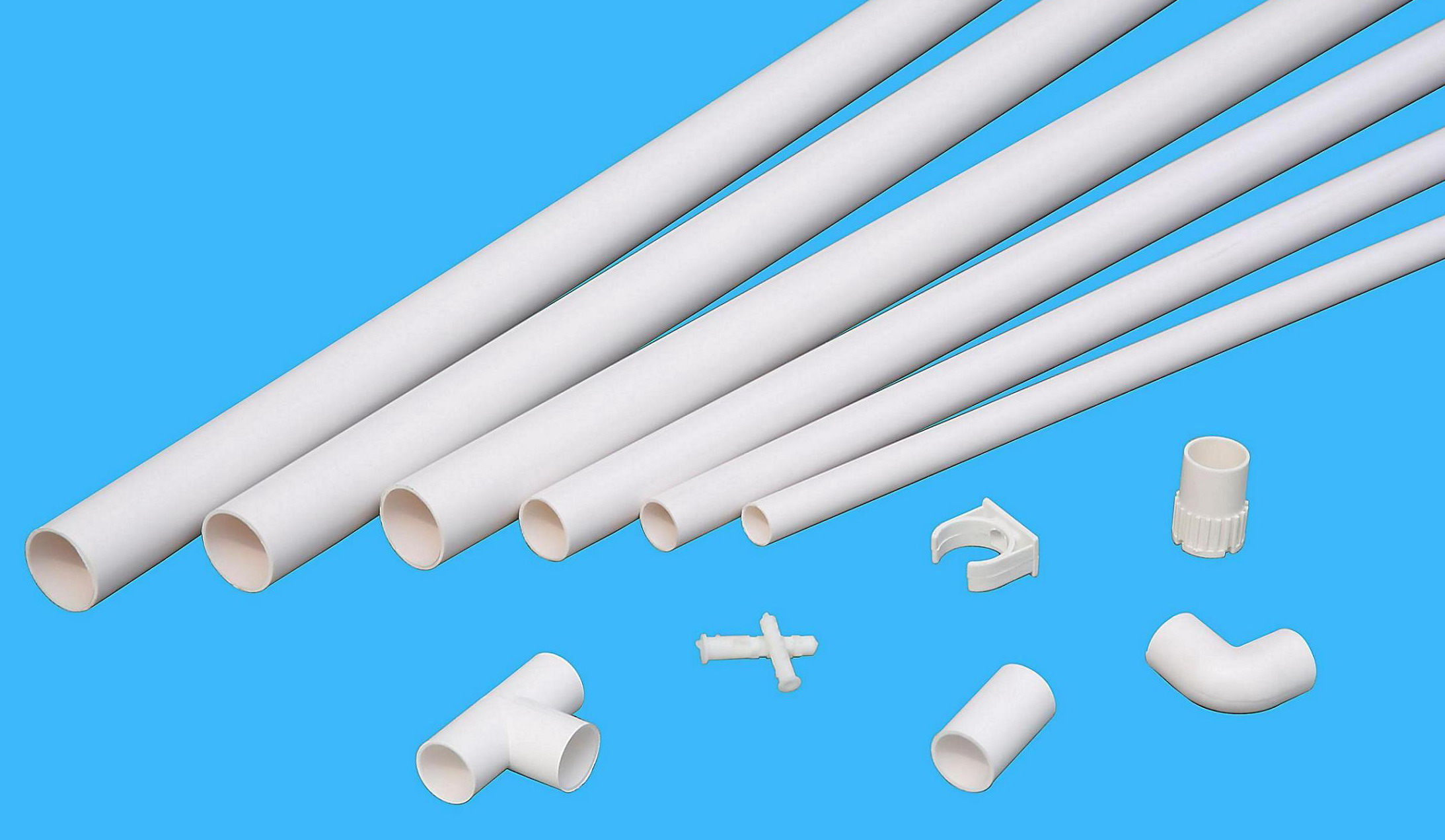
What’s the Difference Between PVC Pipes and PPR Pipes?
1.Basic Material & Performance Differences PVC (Polyvinyl Chloride) and PPR (Polypropylene Random Copolymer) are two of the most widely used plastic pipes in construction, plumbing and engineering. The biggest difference lies in their raw materials and heat resistance. PVC pipes are rigid, c...Read more
