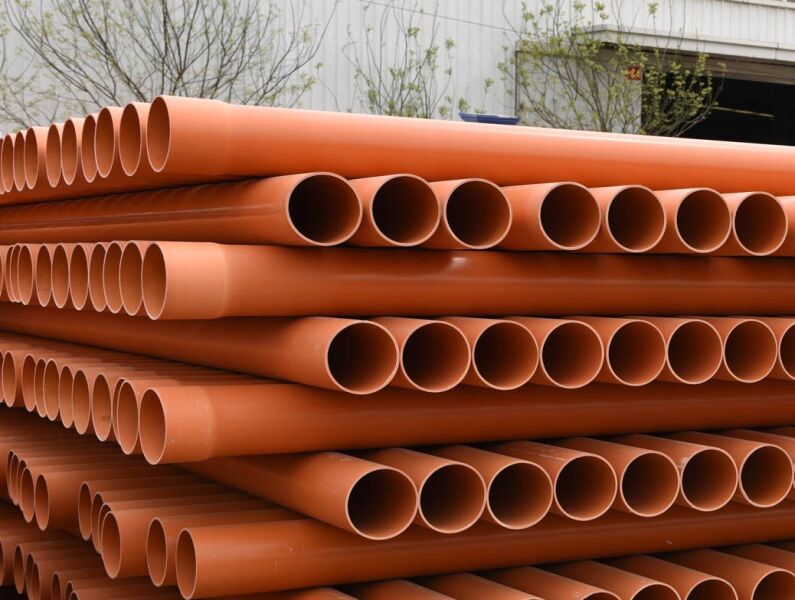
1.What is MMP Pipe and Its Core Advantages
MMP (Modified Matrix Polymer) pipe is a high-performance modified plastic pipe, developed based on PE, PPR, or PVC raw materials with advanced modification technology. It integrates the advantages of traditional plastic pipes—such as corrosion resistance, light weight, and easy installation—while overcoming their limitations, such as poor high-temperature resistance, low rigidity, and insufficient impact resistance.
MMP pipes are widely used in industrial fluid transmission, municipal engineering, chemical industry, agricultural irrigation, and building plumbing due to their excellent comprehensive performance, stable quality, and long service life. Choosing the right MMP pipe is crucial for ensuring project safety and reducing long-term maintenance costs.
2.Key Characteristics of MMP Pipes
To select suitable MMP pipes, it is first necessary to understand their core characteristics, which determine their applicability in different scenarios:
1. Strong corrosion resistance: It can resist corrosion from acid, alkali, salt, and chemical media, suitable for harsh working environments such as chemical plants and sewage treatment.
2. Excellent temperature adaptability: It can work stably in the range of -20℃ to 80℃, adapting to both cold and hot climate regions, and is not prone to embrittlement or softening.
3. High rigidity and impact resistance: It has better load-bearing capacity and anti-fall performance than traditional PE/PPR pipes, reducing the risk of damage during installation and use.
4. Good sealing and anti-leakage: The hot-melt or socket connection is firm, with good sealing performance, avoiding leakage problems caused by pressure or temperature changes.
5. Environmental protection and safety: Made of non-toxic modified materials, it meets international environmental standards such as RoHS and REACH, suitable for drinking water and food-related projects.
3.MMP Pipe Selection Based on Application Scenarios
Different application scenarios have different requirements for MMP pipes. Scientific selection based on actual needs can maximize cost-effectiveness and service life:
1. Industrial fluid transmission: Choose high-pressure resistant MMP pipes (pressure rating ≥1.6MPa), which can withstand the transmission pressure of industrial media and resist chemical corrosion.
2. Municipal engineering (water supply/drainage): Select large-diameter MMP pipes with good wear resistance and anti-clogging performance, suitable for buried and outdoor use, and equipped with anti-UV masterbatch to delay aging.
3. Agricultural irrigation: Choose lightweight, flexible MMP pipes with anti-aging and anti-clogging properties, which are easy to lay and adapt to complex farmland terrain.
4. Building plumbing: For indoor hot and cold water supply, select heat-resistant MMP pipes (long-term service temperature ≥70℃); for drainage, choose high-rigidity MMP pipes to avoid deformation.
4.Core Selection Indicators for MMP Pipes
When purchasing MMP pipes, focus on the following key indicators to avoid choosing inferior products:
1. Raw material quality: Choose pipes made of 100% virgin modified resin, avoid recycled materials, which ensures stable performance and long service life.
2. Pressure rating: Select the appropriate pressure level according to the working pressure of the project, and ensure that the pipe can withstand long-term pressure without bursting.
3. Temperature resistance: Confirm the high and low temperature resistance range of the pipe to ensure it adapts to the local climate and working environment.
4. Masterbatch quality: High-quality MMP pipes use professional anti-UV, anti-aging, and corrosion-resistant masterbatch to enhance durability.
5. Certification and test reports: Choose products with ISO, CE, and other international certifications, and ask for pressure test, aging test, and corrosion test reports.
5.Tips for Purchasing and Installing MMP Pipes
1. Cooperate with professional MMP pipe manufacturers to ensure stable product quality and reliable after-sales service.
2. Inspect the appearance of the pipe: The surface should be smooth, free of cracks, bubbles, and color spots, and the wall thickness should be uniform.
3. Pay attention to installation specifications: Use professional connection methods (hot-melt, socket) and avoid violent construction to prevent pipe damage.
4. Do a pressure test after installation to ensure there is no leakage and the pipe meets the project requirements.
Conclusion
MMP pipes are high-performance modified plastic pipes with excellent comprehensive performance, suitable for various industrial and engineering scenarios. When selecting MMP pipes, it is necessary to combine application scenarios, focus on core indicators such as raw materials, pressure rating, and temperature resistance, and cooperate with reliable manufacturers.
Scientific selection and standardized installation can ensure that MMP pipes play a stable role in the project, reduce maintenance costs, and extend the service life of the entire pipeline system.
FAQ for MMP Pipe Selection
Q1: What is MMP pipe used for? A1: MMP pipes are widely used in industrial fluid transmission, municipal engineering, agricultural irrigation, and building plumbing due to their corrosion resistance and temperature adaptability.
Q2: How to choose the right pressure rating for MMP pipes? A2: Select the pressure rating (≥1.6MPa for industrial use) according to the working pressure of your project to ensure long-term stable operation.
Q3: Are MMP pipes suitable for outdoor use? A3: Yes. Choose MMP pipes with UV-resistant masterbatch, which can resist sun exposure and delay aging for outdoor and buried use.
Q4: What raw material is MMP pipe made of? A4: MMP pipes are made of modified virgin PE, PPR, or PVC resin, ensuring non-toxicity, stability, and long service life.
Q5: How to ensure the quality of MMP pipes? A5: Cooperate with professional manufacturers and check ISO/CE certifications and test reports (pressure, aging, corrosion).
Post time: Apr-01-2026
