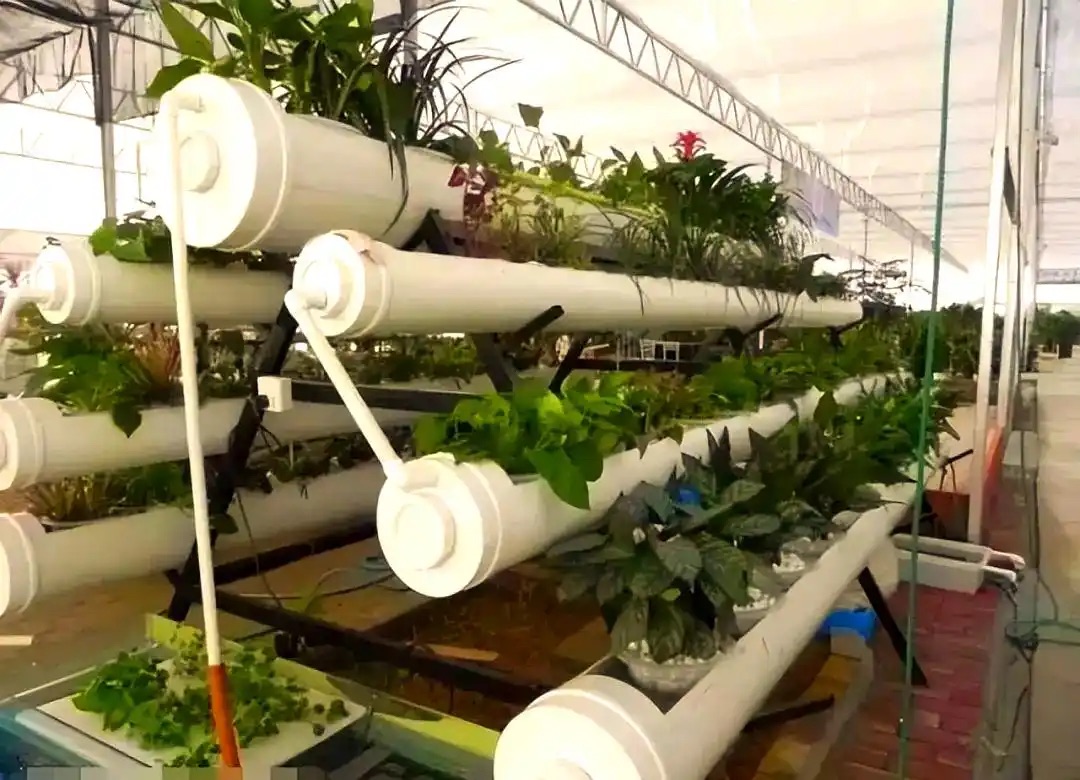
Plastic pipes have replaced traditional metal pipes in most construction, municipal, industrial, and electrical projects due to their corrosion resistance, lightweight design, and long service life. In the plumbing and pipeline industry, seven types of plastic pipes are widely used: HDPE water supply pipes, steel wire reinforced composite pipes, PPR hot and cold water pipes, PE-RT floor heating pipes, PB polybutylene pipes, PVC water supply and drainage pipes, and MPP power conduit pipes. Each pipe type has unique material properties and exclusive application scenarios. Understanding their differences helps buyers, engineers, and contractors select the correct pipe for specific projects.
1. HDPE Water Supply Pipes
HDPE (High-Density Polyethylene) pipes are flexible, high-toughness plastic pipes designed for municipal and residential water supply systems. Featuring excellent pressure resistance, freeze resistance, and corrosion resistance, HDPE pipes can be buried underground for long-term use without rusting or aging. They adopt hot-melt welding connections, ensuring zero leakage, and are widely used for drinking water transmission, agricultural irrigation, and industrial water delivery.
2. Steel Wire Reinforced Composite Pipes
Steel wire reinforced composite pipes are high-pressure composite pipes combining steel wire mesh and HDPE material. The internal steel wire layer greatly enhances tensile strength and pressure resistance, solving the low-pressure limitation of pure plastic pipes. Lightweight yet durable, these pipes suit high-pressure water supply, gas transmission, and large-scale municipal engineering projects that require high structural stability.
3. PPR Hot and Cold Water Pipes
PPR pipes are random copolymer polypropylene pipes, the most common pipes for indoor home plumbing. They support both hot and cold water transmission, with high-temperature resistance, no scaling, and no toxic precipitation. PPR pipes feature stable thermal insulation performance and easy installation, making them the standard choice for residential and commercial building indoor water systems.
4. PE-RT Floor Heating Pipes
PE-RT (Polyethylene of Raised Temperature Resistance) pipes are special high-temperature resistant polyethylene pipes dedicated to floor heating systems. With unique stress-resistant and thermal stability properties, they resist high-temperature water circulation and long-term thermal aging without deformation or cracking. Their soft texture facilitates laying and bending, perfectly matching indoor geothermal heating projects.
5. PB Polybutylene Pipes
Known as “plastic gold”, PB polybutylene pipes own the best flexibility, creep resistance, and pressure resistance among plastic pipes. They remain stable under long-term high temperature and high pressure, with ultra-long service life. PB pipes are widely used in high-end floor heating, hot water circulation, and concealed plumbing systems for high-standard buildings.
6. PVC Water Supply and Drainage Pipes
PVC pipes are cost-effective rigid plastic pipes divided into water supply and drainage grades. PVC drainage pipes are mainly used for building sewage and rainwater discharge, featuring smooth inner walls and fast drainage speed. Food-grade PVC water supply pipes apply to low-pressure domestic water delivery, suitable for residential and municipal drainage systems.
7. MPP Power Conduit Pipes
MPP power conduit pipes are special modified polypropylene pipes for cable protection. With high impact resistance, compression resistance, and high-temperature resistance, they protect power cables from external extrusion and construction damage. They are the exclusive pipe material for municipal power engineering, underground cable laying, and road crossing projects.
Conclusion
Each type of plastic pipe has its own positioning: HDPE for municipal water supply, steel wire composite for high-pressure delivery, PPR for indoor plumbing, PE-RT and PB for floor heating, PVC for drainage, and MPP for power cable protection. Choosing pipes according to their professional characteristics ensures project safety, stability, and long service life.
Post time: May-27-2026
