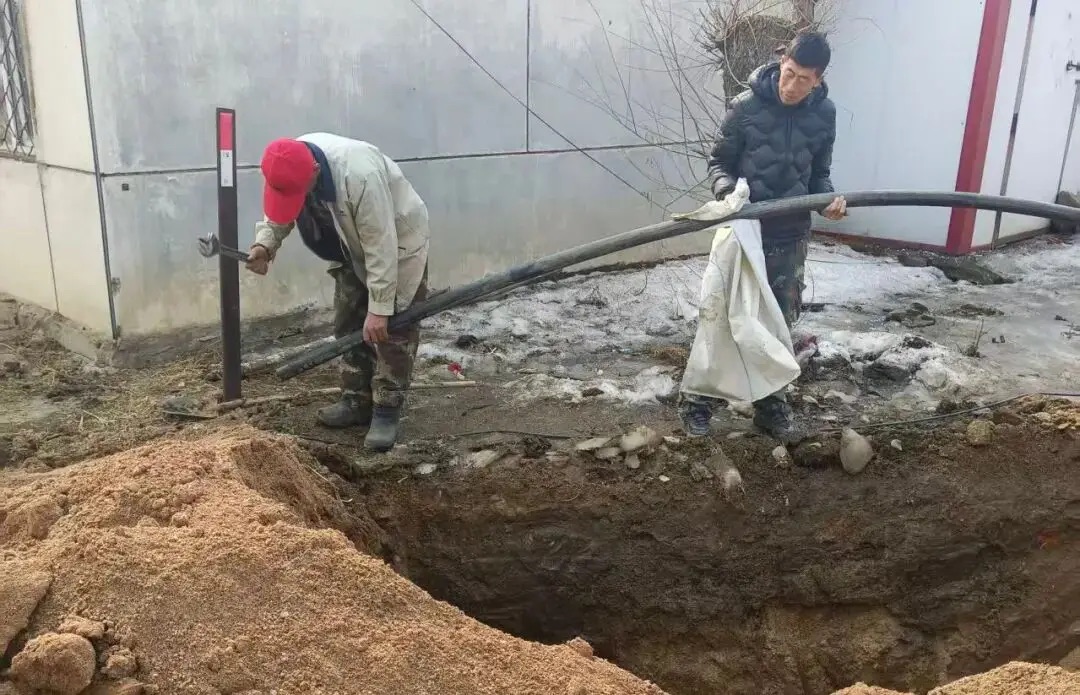
1.Why Engineering Pipes Freeze and the Risks of Improper Thawing
Engineering pipes (including PE, PPR, PVC, and steel pipes) are prone to freezing in cold weather, especially in regions with temperatures below 0℃. Water inside the pipes expands when frozen, causing pipe bursts, leaks, and damage to the entire pipeline system. Improper thawing methods (such as open flames or high-temperature heating) can further damage pipes, leading to costly repairs and project delays.
The key to thawing engineering pipes is to use gentle, controlled heat to melt ice without damaging the pipe material. This guide covers safe thawing methods for different pipe types, step-by-step operations, and prevention tips to avoid freezing in the first place.
2.Safe Thawing Methods for Different Engineering Pipe Types
Different pipe materials have different heat resistance, so it’s crucial to choose the right thawing method to avoid material damage. Below are targeted methods for common engineering pipe types:
1. PE/PPR Pipes (Common in Water Supply & Irrigation): PE and PPR pipes have good low-temperature toughness but are sensitive to high heat. Use a portable electric heat gun or heat tape (set to 40-60℃) to warm the frozen section evenly. Wrap the heat tape around the pipe, cover it with insulation material to retain heat, and move the heat gun slowly to avoid overheating. Do not use open flames or high-temperature heaters, as they can soften or melt the pipe.
2. PVC Pipes (Used in Drainage & Conduits): PVC pipes are brittle at low temperatures and prone to cracking when heated too quickly. Use a warm water-soaked cloth (40-50℃) to wrap the frozen area, replacing the cloth regularly as it cools. Alternatively, use a low-power electric heater (≤100W) placed 10-15cm away from the pipe, ensuring even heat distribution. Avoid direct contact between the heater and the pipe to prevent melting.
3. Steel Pipes (Industrial & Municipal Projects): Steel pipes are more heat-resistant but can rust or warp if heated unevenly. Use a propane torch with a low flame (kept 15-20cm away from the pipe) and move it continuously to warm the frozen section. For large-diameter steel pipes, use a combination of heat tape and insulation to speed up thawing. After thawing, check for rust or cracks.
3.Step-by-Step Guide to Thawing Engineering Pipes Safely
Follow these steps to ensure safe and effective thawing, regardless of pipe type:
1. Locate the frozen section: Check for bulges, frost accumulation, or areas with no water flow. The frozen section is usually near exposed areas (outdoor pipes, uninsulated walls) or valves.
2. Turn off the water supply: Close the main valve to prevent water from flowing into the frozen pipe, which can cause bursting when thawed.
3. Choose the right thawing tool: Select the method suitable for your pipe type (as outlined above) and ensure the tool is in good condition.
4. Thaw gradually: Apply heat slowly and evenly, moving the tool back and forth to avoid overheating a single area. Do not rush the process—rapid thawing can cause thermal stress and pipe damage.
5. Check for leaks: Once thawed, open the valve slowly to allow water to flow. Inspect the pipe for leaks, cracks, or damage. If leaks are found, stop using the pipe immediately and repair it.
4.Common Mistakes to Avoid When Thawing Engineering Pipes
Improper thawing can cause more harm than good. Avoid these common mistakes:
1. Using open flames directly: Open flames (such as lighters or torches) can overheat pipes, leading to melting (PE/PPR/PVC) or warping (steel).
2. Thawing too quickly: Rapid heating creates thermal stress, which can crack brittle pipes (PVC) or damage pipe joints.
3. Ignoring insulation: Not covering the pipe with insulation during thawing wastes heat and slows down the process.
4. Forgetting to turn off the water supply: Water pressure can build up as ice melts, causing pipe bursts.
5.Prevention Tips: Avoid Engineering Pipes Freezing
The best way to deal with frozen pipes is to prevent them from freezing in the first place:
1. Insulate exposed pipes: Use foam insulation sleeves or heat tape for outdoor pipes, valves, and joints.
2. Keep water flowing: For outdoor or rarely used pipes, open the valve slightly to allow a small trickle of water to flow, which prevents freezing.
3. Maintain pipe temperature: For indoor pipes in unheated areas (basements, garages), use space heaters to keep the temperature above 0℃.
Conclusion
Thawing engineering pipes requires patience, the right tools, and a focus on safety. By choosing the appropriate method for your pipe type, following the step-by-step guide, and avoiding common mistakes, you can thaw frozen pipes without damage. Additionally, implementing prevention measures will reduce the risk of freezing, saving time, money, and ensuring the smooth operation of your engineering pipeline system.
Post time: Apr-21-2026
