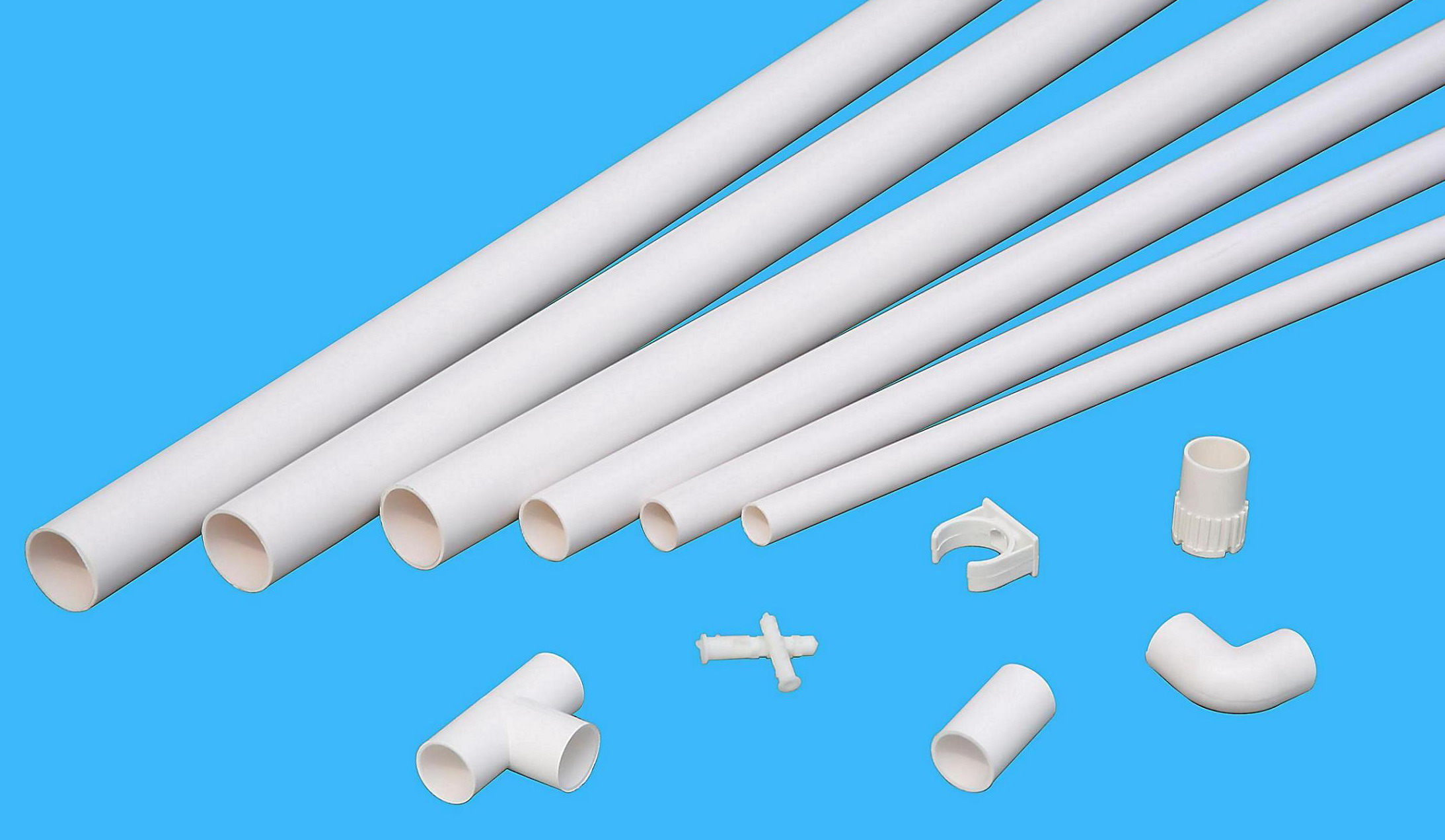
1.Basic Material & Performance Differences
PVC (Polyvinyl Chloride) and PPR (Polypropylene Random Copolymer) are two of the most widely used plastic pipes in construction, plumbing and engineering. The biggest difference lies in their raw materials and heat resistance.
PVC pipes are rigid, cost-effective and easy to install, but cannot withstand high temperatures. They are suitable for cold water, drainage and electrical conduits. PPR pipes have excellent high-temperature resistance, good toughness and long service life, making them the standard for hot and cold water supply systems.
2.Temperature Resistance & Application Scenarios
Temperature resistance is the core distinction between PVC and PPR pipes.
PVC pipes are only suitable for fluids below 45°C. They will soften and deform at high temperatures, so they cannot be used for hot water systems. Typical applications include building drainage, sewage, rainwater pipes, and electrical casing.
PPR pipes can withstand temperatures from -10°C to 95°C, with a long-term service temperature of 70°C. This makes them ideal for residential hot and cold water, central air conditioning, purified water systems and industrial water supply.
3.Connection Method & Installation
PVC pipes use adhesive bonding or socket connection, which is fast and low-cost, but not suitable for high-pressure or high-temperature environments.
PPR pipes use hot-melt welding, forming a fully integrated connection with zero leakage risk. This is why PPR is more reliable for long-term water supply systems.
4.Durability, Hygiene & Service Life
PPR pipes use non-toxic virgin materials, meet food-grade standards, and have a service life of up to 50 years. They are corrosion-resistant and do not scale.
PVC pipes are economical but may contain trace additives. They are not recommended for direct drinking water. Their service life is generally 20–30 years.
5. Cost & Overall Value
PVC pipes have a lower material cost and are widely used in drainage and non-pressure pipelines. PPR pipes cost more but offer better safety, durability and lower long-term maintenance costs.
Conclusion: Choose Based on Actual Needs
In short, PVC pipes are affordable and suitable for drainage and low-pressure cold water. PPR pipes are safer, heat-resistant and ideal for hot and cold water supply. Understanding their differences helps buyers make cost-effective and reliable choices for engineering and construction projects.
Post time: Mar-10-2026
