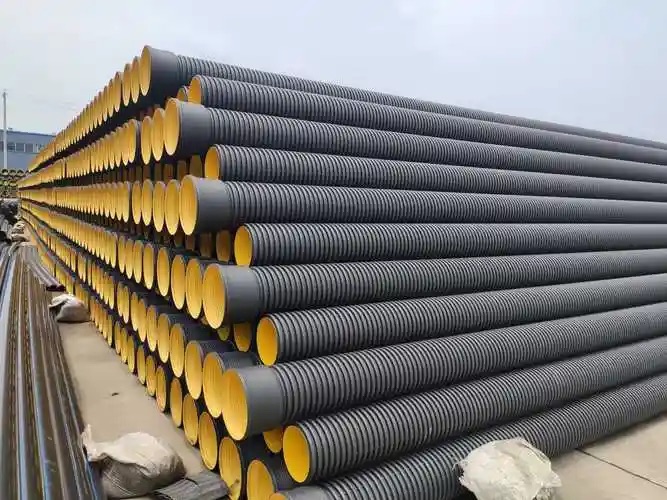
PVC pipes are widely used in drainage, water supply, and industrial systems for their durability and cost-effectiveness, but they are vulnerable to cold weather damage. Winter temperatures below 0°C (32°F) can cause water inside PVC pipes to freeze and expand, leading to cracking, bursting, and costly repairs. This guide provides practical, step-by-step winter protection tips to keep PVC pipes safe, ensuring uninterrupted operation throughout the cold season.
Why PVC Pipes Need Winter Protection
PVC material becomes brittle at low temperatures, and its impact resistance drops sharply when exposed to prolonged cold. When water inside the pipe freezes, it expands by 9%, creating extreme pressure that exceeds PVC’s tensile strength—resulting in cracks or complete bursting. Unprotected outdoor, unheated indoor, and buried PVC pipes are at the highest risk, especially in regions with temperatures below -5°C (23°F). Proper winter protection not only prevents damage but also extends the pipe’s service life.
Key Winter Protection Methods for PVC Pipes
The best way to protect PVC pipes in winter is to combine insulation, anti-freezing measures, and regular maintenance. Below are targeted methods for different installation scenarios:
1. Insulate Exposed PVC Pipes
Exposed PVC pipes (on outdoor walls, in attics, garages, or basements) are most prone to freezing. Use foam insulation sleeves (pre-cut for PVC pipe diameters) to cover the entire length of the pipe, including joints and valves—these sleeves are water-resistant and provide excellent thermal insulation. For extra protection, wrap the insulated pipe with waterproof tape to prevent moisture from seeping in and damaging the insulation. Avoid using cotton or fabric insulation, as it absorbs water and loses effectiveness when wet.
2.Protect Buried PVC Pipes
Buried PVC pipes must be installed below the local frost line to avoid freezing. If pipes are already buried above the frost line, add a layer of gravel or foam insulation around the pipe before backfilling. Ensure proper drainage around the buried pipe to prevent water accumulation, which can freeze and squeeze the pipe. In areas with extreme cold, install heat tape around the pipe before backfilling to maintain a safe temperature.
3.Prevent Static Water in Pipes
Static water inside PVC pipes is the main cause of freezing. For unused pipes (e.g., outdoor irrigation systems), drain all water completely before winter. Close the main valve and open all faucets to let water flow out, then blow compressed air through the pipe to remove residual water. For active pipes, keep a small trickle of water flowing during extreme cold—moving water is much harder to freeze than static water.
4. Use Heat Tape for Critical Areas
For PVC pipes in extremely cold areas or critical systems (e.g., industrial pipelines), use self-regulating heat tape. Wrap the heat tape evenly around the pipe, leaving no gaps, and cover it with insulation to retain heat. Self-regulating heat tape adjusts its temperature based on the environment, preventing overheating and saving energy—avoid using non-regulating heat tape, as it can melt PVC pipes.
Emergency Steps for Frozen PVC Pipes
If PVC pipes freeze, act quickly to prevent bursting: Turn off the main water supply to reduce pressure, then thaw the pipe gently using a portable heat gun (set to 40-60°C) or warm water-soaked cloth. Avoid open flames or high-temperature heaters, as they can melt or crack brittle PVC. Once thawed, check for leaks and repair any cracks immediately.
Conclusion
Protecting PVC pipes in winter is a simple yet critical task that prevents costly damage and downtime. By insulating exposed pipes, protecting buried systems, eliminating static water, and using heat tape for extreme cold, you can keep PVC pipes safe throughout the winter. Regular inspection and maintenance are also key—check insulation for damage, ensure valves are working properly, and drain unused pipes before the first frost. With these measures, your PVC pipe system will remain reliable and durable even in the harshest winter conditions.
FAQ for PVC Pipe Winter Protection
Q1: What is the best insulation for outdoor PVC pipes in winter?
A1: Foam insulation sleeves (pre-cut for PVC diameters) are the best—they are waterproof, easy to install, and provide excellent thermal protection.
Q2: How to prevent buried PVC pipes from freezing?
A2: Install them below the local frost line, add gravel/foam insulation around the pipe, and ensure proper drainage to avoid water accumulation.
Q3: Can heat tape damage PVC pipes?
A3: Self-regulating heat tape is safe, but non-regulating heat tape can overheat and melt PVC pipes—always use self-regulating types.
Q4: What to do if PVC pipes freeze?
A4: Turn off the main water supply, thaw gently with a heat gun (40-60℃) or warm cloth, and check for leaks after thawing.
Q5: Do I need to drain unused PVC pipes in winter?
A5: Yes, draining all water and removing residual moisture with compressed air prevents freezing and bursting.
Post time: May-12-2026
