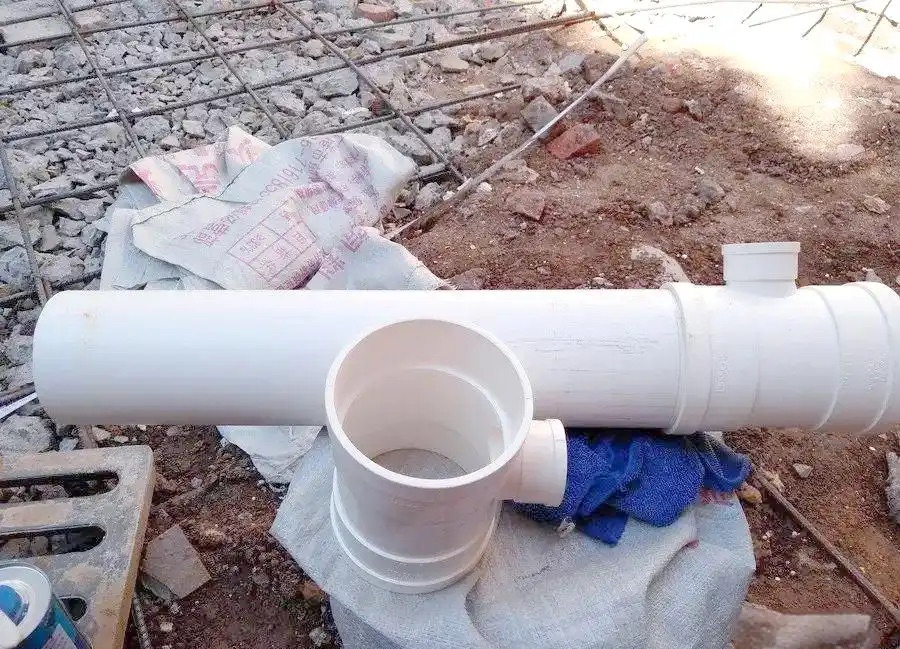
PVC (polyvinyl chloride) pipes are widely used in residential, commercial, and industrial applications for drainage, plumbing, and electrical conduits, thanks to their durability, corrosion resistance, and cost-effectiveness. Proper installation is critical to ensure leak-proof performance and long service life. This guide outlines the essential steps, tools, and tips for installing PVC pipes correctly, suitable for both DIY enthusiasts and professional installers.
1.Tools and Materials Needed for PVC Pipe Installation
Before starting, gather all necessary tools and materials to avoid delays: PVC pipes, PVC fittings (elbows, tees, couplings), PVC primer, PVC cement (glue), a tape measure, hacksaw or PVC cutter, deburring tool, level, marker, and gloves. Choose PVC pipes and fittings of the same diameter and pressure rating to ensure compatibility. For outdoor or underground installation, select UV-resistant PVC to prevent aging from sunlight.
2.Step-by-Step PVC Pipe Installation Process
Follow these steps for a secure, leak-proof installation:
1. Plan and measure the installation route: Determine the path of the PVC pipe, avoiding sharp bends and obstacles. Use a tape measure to calculate the length of pipes needed, then mark the cutting points with a marker. Ensure the route is level or sloped slightly (1/4 inch per foot) for drainage pipes to facilitate water flow.
2. Cut the PVC pipe: Use a hacksaw or PVC cutter to cut the pipe at the marked points. Cut straight to ensure a tight fit with fittings. After cutting, use a deburring tool to remove burrs from the inside and outside of the pipe ends—burrs can prevent proper adhesion and cause leaks.
3. Dry-fit the pipes and fittings: Before applying primer and cement, assemble the pipes and fittings dry to check for proper fit. Ensure the pipe inserts fully into the fitting (usually 1-1.5 inches) and that all connections are aligned. Adjust the length or fittings if needed to avoid gaps.
4. Apply PVC primer and cement: Put on gloves to protect your hands. Apply a thin, even coat of PVC primer to the outside of the pipe end and the inside of the fitting. Let the primer dry for 10-15 seconds (follow the manufacturer’s instructions). Then apply a thin coat of PVC cement to the same areas—do not overapply, as excess cement can block the pipe or weaken the connection.
5. Assemble and hold: Insert the pipe into the fitting quickly and firmly, twisting slightly (1/4 turn) to ensure even cement coverage. Hold the connection tightly for 30-60 seconds to allow the cement to set. Do not move or disturb the connection during this time.
6. Allow curing time: Let the cement cure completely before testing the pipe. Curing time varies by temperature and humidity—usually 24 hours for full strength. Avoid running water or applying pressure to the pipe during curing.
3.Key Tips for Successful PVC Pipe Installation
To avoid common mistakes and ensure a durable installation:
- Use only PVC-specific primer and cement—other adhesives will not bond properly and may cause leaks.
- Do not rush the curing process; premature pressure can break the connection.
- For underground installation, cover the pipe with sand or gravel to prevent damage from rocks or soil pressure.
- Avoid over-tightening fittings, as this can crack the PVC pipe or fitting.
- Test the pipe system with water after curing to check for leaks—repair any leaks immediately.
Conclusion
Installing PVC pipes is a straightforward process when following the correct steps and using the right tools. Proper planning, precise cutting, and careful application of primer and cement are key to achieving a leak-proof, long-lasting installation. Whether for residential drainage, commercial plumbing, or industrial conduits, following this guide will ensure your PVC pipe system performs reliably for years to come. For complex installations, consult a professional installer to ensure compliance with local building codes.
FAQ for PVC Pipe Installation
Q1: Do I need to use PVC primer for pipe installation?
A1: Yes, PVC primer is essential—it cleans the surface and improves adhesion between the pipe and fitting, preventing leaks.
Q2: How long does PVC cement take to cure?
A2: Usually 24 hours for full curing, but it may vary by temperature and humidity; avoid applying pressure during curing.
What is the correct slope for PVC drainage pipes?
A3: The recommended slope is 1/4 inch per foot to ensure smooth water flow and prevent clogs.
Q4: Can I use regular glue instead of PVC cement?
A4: No, regular glue will not bond PVC properly and will cause leaks; use only PVC-specific cement.
Q5: How to fix a leak in a PVC pipe connection?
A5: Cut the leaking section, deburr the pipe, reapply primer and cement, and rejoin the pipe and fitting; replace damaged parts if needed.
Post time: Apr-28-2026
