1.Key Challenges Pipes Face in Hot Environments
In hot climates, strong sunlight, high temperatures, and long-term UV radiation will cause serious damage to ordinary plastic pipes. Common problems include softening, deformation, discoloration, cracking, accelerated aging, and shortened service life. For outdoor water supply, agricultural irrigation, building plumbing, and buried pipelines in high-temperature areas, choosing the right heat-resistant and UV-stabilized pipes is critical to ensuring long-term stable operation and reducing maintenance costs.
2.Best Pipes for Hot Outdoor & High-Temperature Scenarios
PPR Pipes – Ideal for Hot and Cold Water Systems
PPR pipes have excellent heat resistance and can stably work at a long-term service temperature of 70°C, with a short-term resistance up to 95°C. They are the most reliable choice for indoor hot water supply, solar water systems, and industrial hot water circuits. With good heat stability and no deformation under high temperature, PPR pipes are widely used in hot climate regions.
PE Pipes – Strong UV Resistance for Outdoor & Irrigation
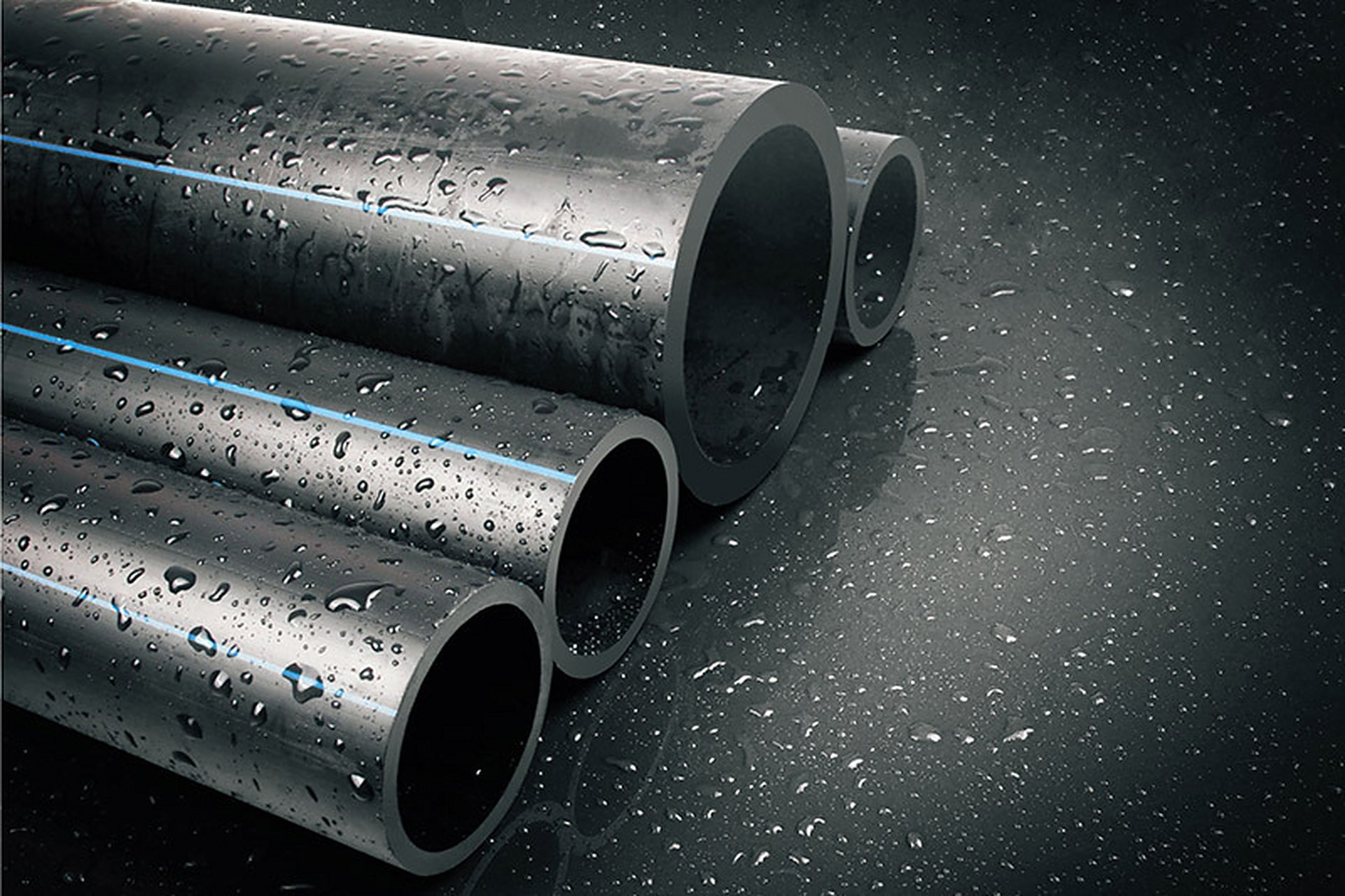
PE pipes, especially HDPE and PE100 grades, offer good heat resistance and flexibility. With added UV-resistant masterbatch, they become the top pick for outdoor water supply, agricultural irrigation, garden pipelines, and long-distance water transmission in hot weather. PE pipes resist thermal expansion and contraction, do not crack easily under high temperature, and have strong weather resistance.
PVC Pipes – Only for Non-Pressure Drainage in Hot Weather
PVC pipes have high rigidity but poor heat resistance. They will soften and deform at temperatures above 45°C, so they are not suitable for hot water or pressure water supply. PVC pipes can only be used for non-pressure drainage, rainwater, and electrical conduits in hot environments, and must avoid direct sunlight exposure.
3.Core Indicators for Choosing Hot-Weather Pipes
Heat Resistance
Pipes must withstand high surface temperatures and hot fluid without softening or deformation.
UV & Weather Resistance
Outdoor pipes require professional UV-resistant masterbatch to resist sun exposure and delay aging.
High-Quality Raw Materials
100% virgin resin ensures stability under high temperature; recycled materials will age and crack quickly.
Thermal Expansion Stability
Good dimensional stability reduces risks of leakage and deformation caused by temperature changes.
Aging Resistance
Anti-aging additives extend service life even under long-term high-temperature conditions.
4.The Important Role of Masterbatch in Hot-Climate Pipes
High-quality pipes for hot weather rely heavily on special UV-resistant and heat-resistant masterbatch. Professional masterbatch provides stable coloring, improves dispersion, enhances UV resistance, and prevents aging, brittleness, and discoloration. Using low-quality masterbatch will lead to rapid performance degradation in high temperatures and greatly reduce pipe life.
5.Installation Tips for Hot Weather
• Avoid direct sunlight for PVC pipes; install protective sleeves or insulation layers.
• Use UV-stabilized PE pipes for outdoor and agricultural irrigation systems.
• Reserve proper space for thermal expansion and contraction.
• Choose hot-melt connections for better high-temperature sealing performance.
• Purchase pipes with certified test reports and quality guarantees.
Conclusion
In hot weather and high-temperature environments, correct pipe selection directly determines safety and service life. PPR pipes are suitable for hot water systems; UV-stabilized PE pipes are perfect for outdoor and irrigation; PVC is limited to non-pressure drainage. By focusing on heat resistance, UV resistance, raw material quality, and professional masterbatch, you can select durable, reliable, and cost-effective pipes for hot climate projects.
Post time: Mar-24-2026
