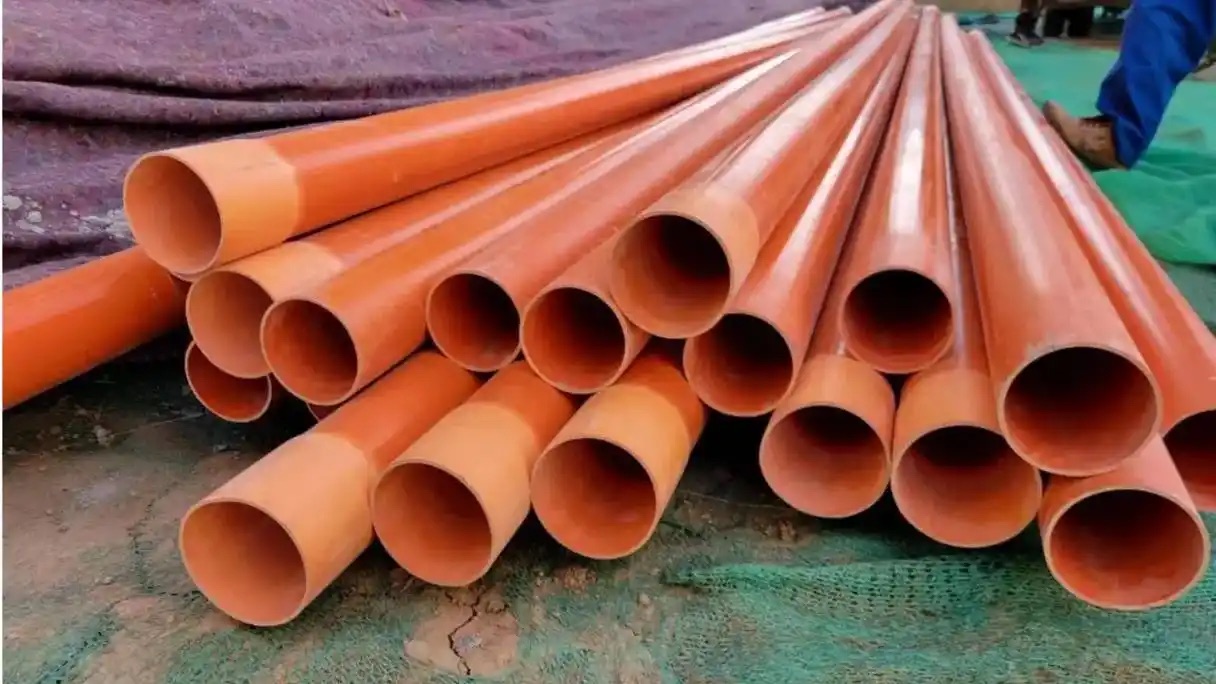
Can You Paint PVC Pipes? The Short Answer
Yes, you can paint PVC pipes, but it requires proper preparation, the right type of paint, and correct application techniques. Unlike wood or metal, PVC (polyvinyl chloride) has a smooth, non-porous surface that resists paint adhesion. Without proper preparation, paint will peel, chip, or flake off quickly, especially in outdoor or high-moisture environments.
Whether for aesthetic purposes (hiding unsightly pipes) or functional needs (protecting outdoor PVC from UV damage), painting PVC pipes is achievable with the right steps. This guide covers everything you need to know to paint PVC pipes effectively, ensuring a durable, long-lasting finish.
Why Paint PVC Pipes? Key Reasons
Painting PVC pipes is a common practice for both residential and industrial applications, with several key benefits:
1. Aesthetic improvement: Hide plain white or gray PVC pipes to match interior decor, exterior siding, or landscape design, making them blend seamlessly with the surroundings.
2. UV protection: Outdoor PVC pipes are prone to yellowing, brittleness, and aging due to long-term sun exposure. A quality paint with UV inhibitors can extend their service life.
3. Corrosion resistance: For PVC pipes used in industrial or harsh environments, paint adds an extra layer of protection against chemicals, moisture, and minor abrasions.
4. Identification: In commercial or industrial settings, painted PVC pipes (e.g., different colors for water, gas, or electrical conduits) help with quick identification and safety compliance.
Best Paints for PVC Pipes
Not all paints work for PVC pipes—choose the right type to ensure adhesion and durability:
1. Acrylic latex paint: The most popular choice for PVC pipes, especially for indoor use. It is water-based, low-VOC, easy to clean up, and adheres well to primed PVC surfaces. Look for exterior-grade acrylic latex for outdoor pipes, as it contains UV inhibitors.
2. PVC-specific paint: Designed explicitly for PVC materials, these paints have special binders that bond directly to the PVC surface without the need for extensive sanding. They are ideal for outdoor or high-performance applications.
3. Epoxy paint: A durable, high-gloss option for industrial PVC pipes or areas with heavy wear. Epoxy paint offers excellent chemical resistance and adhesion but requires careful surface preparation.
Avoid oil-based paints—they do not adhere well to PVC and are prone to peeling.
Step-by-Step Guide to Painting PVC Pipes
Follow these steps for a smooth, long-lasting finish:
1. Clean the pipe thoroughly: Use a mild detergent or PVC cleaner to remove dirt, grease, dust, and any factory-applied wax. Dry the pipe completely with a clean cloth—moisture will prevent paint adhesion.
2. Sand the surface lightly: Use fine-grit sandpaper (220-400 grit) to scuff the PVC surface gently. This creates a rough texture for better paint adhesion. Wipe away sanding dust with a damp cloth.
3. Apply a PVC primer: A PVC primer (or plastic adhesion promoter) is critical for helping paint bond to the smooth PVC surface. Apply a thin, even coat with a brush or roller and let it dry for 10-15 minutes (follow the manufacturer’s instructions).
4. Paint the pipe: Apply 2-3 thin coats of your chosen paint, allowing each coat to dry completely (usually 1-2 hours) before applying the next. Use a brush or roller for even coverage, and avoid thick coats that may drip or crack.
5. Let it cure: Allow the final coat to cure fully—this can take 24-48 hours, depending on the paint type and environmental conditions. Avoid touching or moving the pipe during this time.
Common Mistakes to Avoid
To ensure your painted PVC pipes last:
1. Skipping surface preparation: Sanding and priming are non-negotiable—skipping these steps will result in peeling paint.
2. Using the wrong paint: Oil-based paints or low-quality latex paints will not adhere to PVC.
3. Painting in extreme conditions: Avoid painting in high humidity (above 70%) or extreme temperatures (below 50°F/10°C or above 90°F/32°C), as this affects paint drying and adhesion.
4. Applying thick coats: Thick paint coats take longer to dry and are more likely to crack or peel.
Conclusion
In short, you can absolutely paint PVC pipes—with the right preparation, paint selection, and application. Whether for residential decor, outdoor protection, or industrial identification, painting PVC pipes is a cost-effective way to improve their appearance and extend their service life.
By following the steps outlined in this guide, avoiding common mistakes, and choosing high-quality paint and primer, you can achieve a professional, durable finish that will stand the test of time, both indoors and outdoors.
Post time: Apr-15-2026
