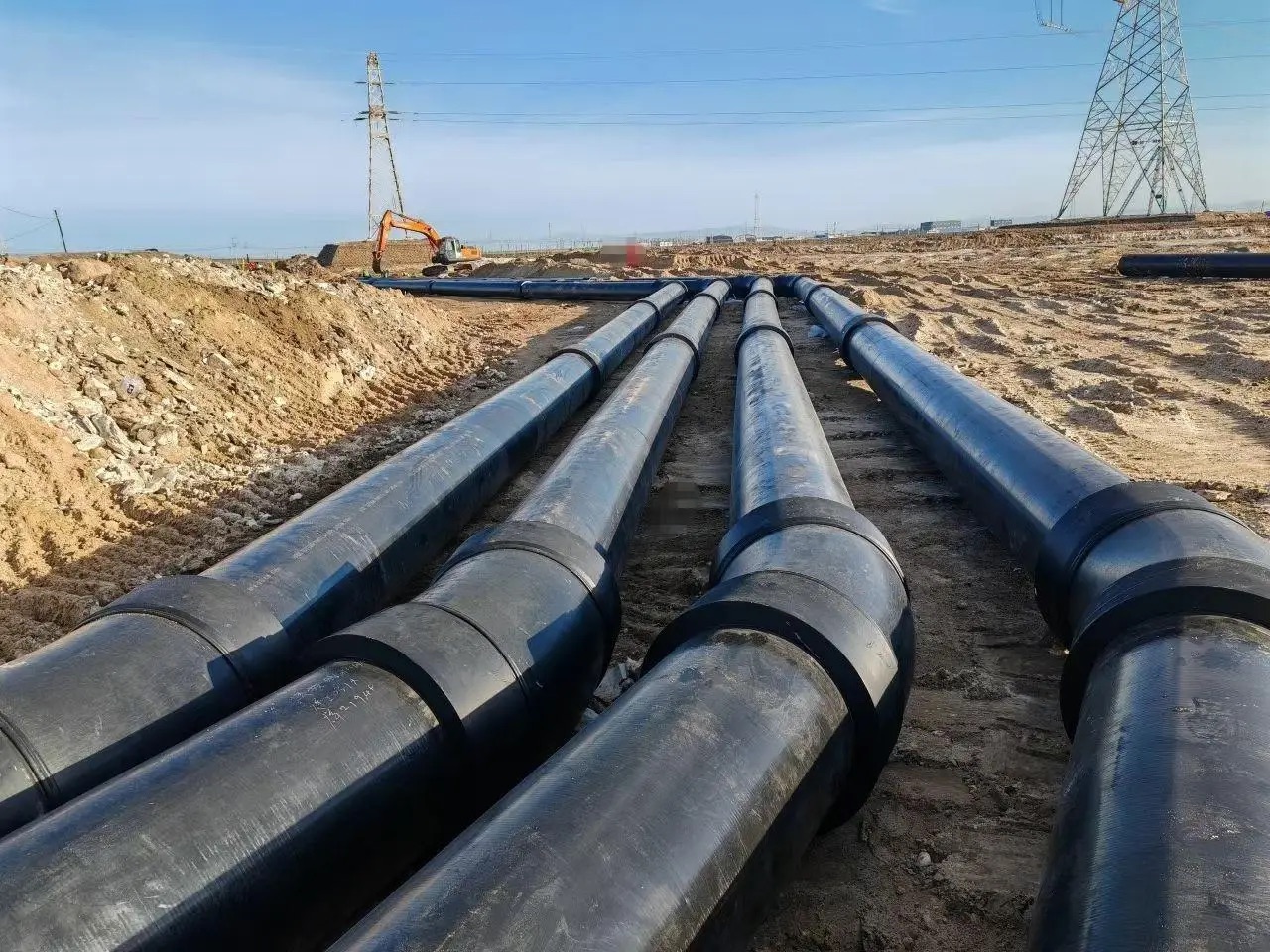
1. Core Standards for North American Pipe Market
North America, covering the United States and Canada, has strict and unified pipeline industry standards, which are the primary basis for pipe selection. All pipes used in engineering and civil projects must comply with ASTM (American Society for Testing and Materials) standards in the US and CSA (Canadian Standards Association) certifications in Canada, ensuring product quality, safety and project compliance.
In addition, North American market attaches great importance to environmental protection and food safety, drinking water pipes need to meet NSF/ANSI 61 certification, and outdoor pipes must have excellent UV resistance and low-temperature toughness to adapt to the continent’s diverse climate conditions.
2. Climate-Adapted Pipe Selection for North America
North America has a complex and diverse climate, which directly determines the performance requirements of pipes:
- Northern US & Most Areas of Canada: Long and cold winters, extreme low temperatures down to -40℃, priority should be given to cold-resistant HDPE/PE100 pipes and thick-walled PPR pipes, with good low-temperature toughness, no brittle cracking, and suitable for buried and outdoor use.
- Southern US (Southeast, Southwest): Hot and humid, strong sunlight, need UV-stabilized PE pipes and heat-resistant PPR pipes, anti-aging, no softening and deformation under high temperature.
- Coastal Areas: Salt spray corrosion is serious, choose corrosion-resistant modified MMP pipes or high-density PE pipes to resist salt erosion.
3. Recommended Pipes for Different Application Scenarios
HDPE/PE100 Pipes
The most widely used pipe in North America, compliant with ASTM D3035, suitable for municipal water supply, agricultural irrigation, buried drainage and gas pipelines. It has good flexibility, corrosion resistance, and can adapt to frozen soil settlement, with hot-melt connection for zero leakage.
PPR Pipes
Compliant with ASTM F2389, the first choice for indoor hot and cold water supply, solar water systems in residential and commercial buildings. It has excellent heat resistance, non-toxic and hygienic, meets drinking water standards, and is easy to install.
PVC-U Pipes
Only suitable for non-pressure indoor drainage, rainwater collection and electrical conduits, compliant with ASTM D1785. It has high rigidity and low cost, but cannot be used for hot water and outdoor extreme cold scenarios to avoid cracking.
MMP Modified Pipes
High-end engineering choice, integrating the advantages of PE and PPR, suitable for industrial fluid transportation, chemical pipelines and high-load municipal projects, with wide temperature resistance range and strong comprehensive performance.
4. Key Selection Tips for Buyers
1. Prioritize pipes with ASTM/CSA/NSF certifications to ensure compliance with North American market access standards.
2. Select raw materials of 100% virgin resin, reject recycled materials, and ensure long-term service life.
3. Outdoor pipes must be added with special UV-resistant and cold-resistant masterbatch to enhance weather resistance.
4. Choose professional manufacturers with complete test reports and after-sales service.
Conclusion
Selecting pipes suitable for North America must focus on standard compliance, climate adaptation and scenario matching. Cold-resistant HDPE pipes are preferred for outdoor and cold regions, heat-resistant PPR pipes for indoor hot and cold water, and PVC pipes are only limited to non-pressure drainage. Scientific selection can ensure the stable operation of the pipeline system and reduce later maintenance costs, fully meeting the needs of North American engineering and civil projects.
Q1: What certifications are mandatory for pipes in North America?A1: Pipes must have ASTM (US) or CSA (Canada) certification, and drinking water pipes need NSF/ANSI 61 certification.
Q2: Which pipe is best for cold Canadian regions?A2: Cold-resistant HDPE/PE100 pipes are ideal, as they resist brittle cracking at -40℃.
Q3: Can PVC pipes be used for outdoor hot weather in southern US?A3: No, PVC softens at high temperature and is only for indoor non-pressure drainage.
Q4: Why is UV masterbatch important for North American outdoor pipes?A4: It prevents aging, fading and cracking under strong sunlight, extending service life.
Post time: Apr-07-2026
