In construction, municipal, and plumbing projects across North America, industrial plastic pipes have become an industry staple thanks to their exceptional durability, cost-effectiveness, and easy installation. Among the most widely used options are PVC pipes, PE pipes, and PPR pipes. Though all fall under the plastic pipe category, their unique material properties and performance advantages make them suitable for distinct applications. This industrial plastic pipe material comparison guide breaks down their core differences in detail, helping contractors, engineers, and project managers select the ideal commercial piping solutions.
Material Properties: The Core of Performance Differences
PVC pipes (Polyvinyl Chloride) are primarily used in the industrial sector in the form of rigid UPVC pipes. They offer excellent corrosion resistance, high hardness, and an economical price point. However, PVC pipes have notable limitations: poor low-temperature toughness, making them prone to cracking in cold weather; and low heat resistance, with a maximum long-term safe operating temperature of only 45℃. Additionally, non-food-grade PVC pipes may leach additives, rendering them unsuitable for potable water supply in certain regions.
PE pipes (Polyethylene), particularly High-Density Polyethylene (HDPE) pipes, are renowned for their superior flexibility and impact resistance. They can withstand low temperatures as low as -40℃ and adapt to soil settlement without cracking, making them an ideal choice for underground water supply pipe material selection. PE pipes have a service life of up to 50 years, but they lack rigidity and have poor heat resistance, with a maximum safe operating temperature of 60℃.
PPR pipes (Random Copolymer Polypropylene) are engineered specifically for hygiene and heat resistance. Non-toxic and odorless, they meet stringent food safety standards and are the top choice for potable water transportation. PPR pipes can operate continuously in 70℃ hot water and tolerate short-term exposure to 95℃ high-temperature hot water, filling the gap in hot and cold dual-supply plastic piping systems. Their main drawback is weak UV resistance—they cannot be installed outdoors without protective measures.

Application Scenarios: Precise Matching of Pipes to Requirements
Differences in material properties directly determine the suitable applications for each pipe type, a key consideration for B2B project material selection.
PVC pipes are the preferred cost-effective plastic pipes for municipal engineering, suitable for all non-hot water transportation scenarios. They are widely used in building drainage, rainwater collection, municipal sewage systems, and electrical conduit projects. With good corrosion resistance, PVC pipes are also applicable to projects requiring corrosion-resistant plastic pipes for chemical engineering. Note that PVC pipes should not be used for hot water pipelines and should be avoided for outdoor installation in frigid regions.
PE pipes excel in large-scale underground projects and are the top choice for municipal water supply networks, gas transmission pipelines, agricultural irrigation systems, and mine slurry transportation pipelines. Thanks to their excellent soil corrosion resistance and ground displacement resistance, HDPE pipes are also commonly used in sewage treatment and stormwater management plastic pipe projects.
PPR pipes are the premium option for hygienic hot and cold water supply systems, serving as the standard piping for residential water supply and drainage, commercial building water systems, and small-scale solar hot water projects. PPR pipes feature leak-proof joints and high heat resistance, ensuring reliable potable water transportation, but they must be installed indoors or in protected environments.

Connection Methods: Ensuring Long-Term Sealing of Piping Systems
Choosing the right connection method is crucial for extending the service life of a piping system, and it is also one of the core points in UPVC pipe vs HDPE pipe vs PPR pipe comparisons.
PVC pipes typically use socket gluing or rubber ring sealing connections. Socket gluing is fast and cost-effective, suitable for small-diameter pipes; rubber ring sealing is more applicable to large-diameter municipal projects, as it can adapt to slight ground settlement and ensure leak-proof joints.
PE pipes mainly adopt hot melt butt welding or electrofusion welding. Both methods fuse pipes and fittings into a single unit, creating joints with excellent sealing performance and high strength—an essential connection process for high-pressure pipeline projects such as gas transmission.
The standard connection method for PPR pipes is hot melt socket welding. This process creates seamless joints that can withstand high-temperature and high-pressure operating conditions. Simple to construct on-site, it ensures the long-term stable operation of hot water piping systems.
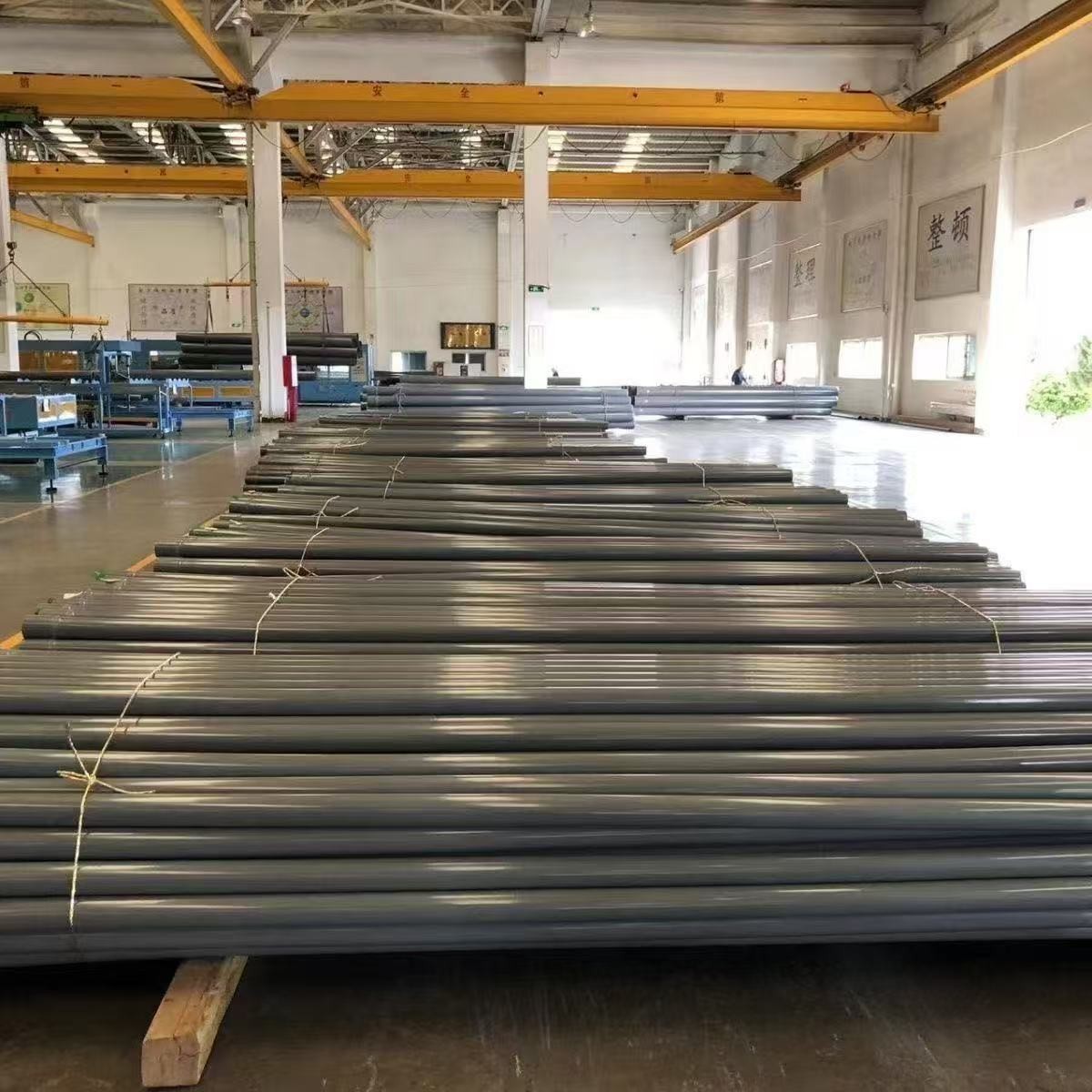
In summary, PVC pipes are the economical choice for cold water transportation and drainage projects, PE pipes dominate underground and low-temperature projects, and PPR pipes are the top pick for hygienic hot water supply systems. Selecting the right pipe type based on the project’s temperature, pressure, and installation environment requirements can maximize piping system performance for your North American construction projects and minimize long-term operation and maintenance costs.
Post time: Dec-16-2025
