1.Understand the Differences Between PE, PPR and PVC Pipes
PE, PPR and PVC are the three most widely used plastic pipes in construction, municipal engineering, water supply, drainage and industrial systems. Each material has unique performance, application scenarios and service life. Before selecting pipes for your project, you must clarify their advantages and limitations to avoid mismatching and premature failure.
PE pipes are known for excellent flexibility, impact resistance and long-term pressure resistance. They are widely used in buried water supply, gas transmission, drainage and irrigation projects. PE pipes can withstand low temperature and external pressure, making them ideal for underground and outdoor projects that require high durability.
PPR pipes are the first choice for indoor hot and cold water supply systems. They feature high temperature resistance, good hygiene performance and strong welding stability. PPR pipes perform well in residential, commercial and industrial water supply, with a service life of up to 50 years under normal use.
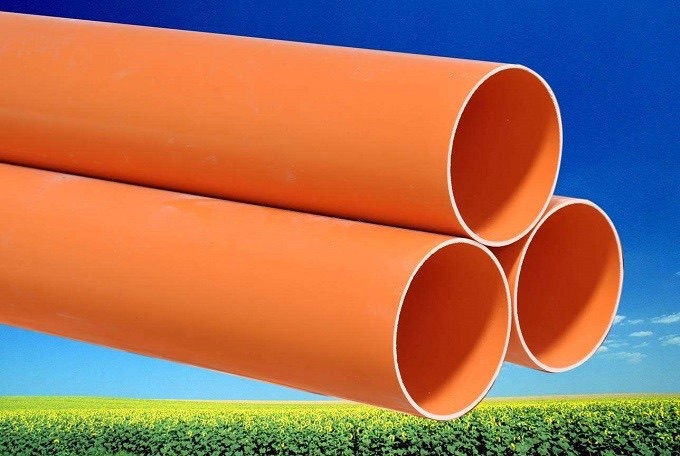
PVC pipes are cost-effective and widely used in drainage, sewage, wire casing and low-pressure water supply. They have good rigidity and corrosion resistance, but are not suitable for high-temperature fluid transportation. Correct selection ensures long-term stable operation of PVC pipes.
2.Key Indicators for Evaluating the Durability of Plastic Pipes
Durability is the core standard for project pipe selection. High-quality PE/PPR/PVC pipes must meet strict physical and chemical indicators to ensure long service life and low maintenance cost.
Raw material quality directly determines pipe durability. Regular manufacturers use virgin resin instead of recycled materials, ensuring better tensile strength, flexural resistance and aging resistance. Pipes made from recycled materials tend to crack, deform and age quickly.
Pressure rating is critical for water supply and fluid pipelines. Choose the correct pressure level based on working pressure, temperature and installation environment. Insufficient pressure rating will lead to burst and leakage during use.
Anti-aging and UV resistance performance matters a lot for outdoor and exposed pipelines. PE/PPR/PVC pipes used outdoors must be added with UV stabilizers and anti-aging masterbatches to resist sunlight and climate erosion.
Good sealing performance reduces risks of water leakage and pipe loosening. Reliable connection methods include hot-melt welding, socket connection and mechanical connection, ensuring long-term stability.
3. Select the Right Pipe According to Project Scenarios
Different application scenarios require different types of pipes. Correct matching improves durability and reduces overall project cost.
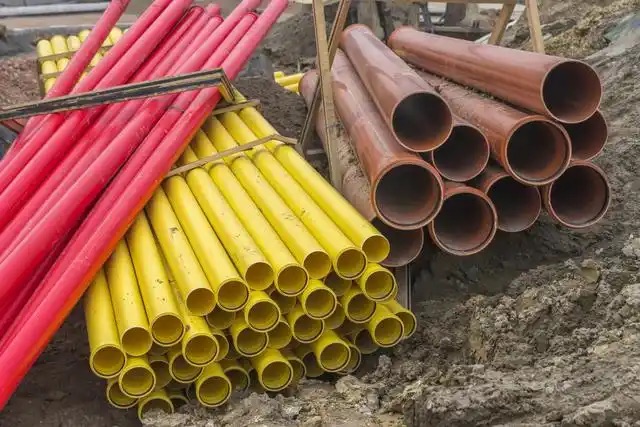
For buried water supply, gas and outdoor long-distance pipelines, PE pipes are the most suitable. Their flexibility and crack resistance effectively resist ground settlement and external impact.
For indoor hot and cold water, central air conditioning and purified water systems, PPR pipes are the optimal solution. They are non-toxic, corrosion-resistant and have excellent high-temperature performance.
For building drainage, sewage discharge and electrical casing, PVC pipes are widely used for their high rigidity, easy installation and low cost.
For long-term outdoor use, pipes with UV-resistant masterbatches and high weatherability are strongly recommended to extend service life.
4. Choose Reliable Manufacturers and Certified Products
The quality of PE/PPR/PVC pipes depends heavily on manufacturing technology and quality control. Cooperating with qualified manufacturers ensures stable and durable pipes.
Regular pipe manufacturers have complete production equipment, strict testing systems and authoritative certifications, such as ISO, CE, ROHS, REACH and national hygiene standards.
Stable color dispersion, smooth inner and outer walls, uniform wall thickness are basic appearance characteristics of high-quality pipes. Poor color dispersion, spots and lines indicate inferior masterbatches and unstable production.
Professional manufacturers also provide customized color masterbatches to ensure color consistency, weatherability and dispersion, which greatly improve pipe appearance and service life.
5.Conclusion: Scientific Selection Ensures Long-Term Project Safety
Choosing durable PE/PPR/PVC pipes requires comprehensive consideration of material characteristics, application scenarios, quality indicators and manufacturer strength. Scientific selection can avoid quality risks, reduce maintenance costs and extend the service life of the whole project.
By understanding the differences between PE, PPR and PVC, focusing on raw materials, pressure rating, aging resistance and product certification, you can select the most suitable and durable pipes for any engineering project. High-quality pipes matched with professional color masterbatches will bring more stable performance and longer service life to your project.
Post time: Feb-11-2026
