PPR hot water pipes have become the top choice for indoor hot water supply systems in buildings due to their high temperature resistance, corrosion resistance, firm connection, and hygienic environmental protection. They are widely used in water heaters, radiators, and kitchen and bathroom hot water pipelines in residential and commercial buildings. However, the quality of PPR hot water pipes on the market varies greatly. Inferior products are prone to high-temperature deformation, leakage, aging and cracking, which directly affect the safety and service life of the water supply system. As a buyer, you need to comprehensively screen from five core dimensions: raw material quality, performance parameters, compliance certifications, process details, and matching accessories. This complete buying guide will teach you to accurately select high-quality PPR hot water pipes.
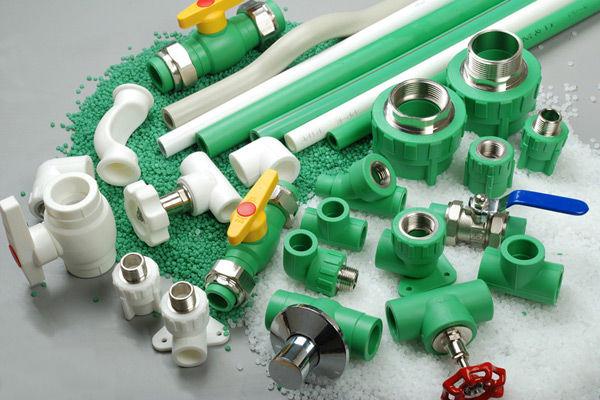
1.Choose Authentic Core Raw Materials and Reject Recycled Pipes
The foundation of high-quality PPR hot water pipes is pure raw materials. Their core material is random copolymer polypropylene (PP-R), which must be produced with 100% virgin materials, and the addition of recycled materials is strictly prohibited.
PPR hot water pipes made of virgin materials have a uniform matte white or light gray surface with soft color and no variegation. After cutting, the cross-section is dense and flat, without bubbles, delamination and impurity particles, and the pipe wall is thick and uniform in texture when touched. On the contrary, pipes made of recycled materials have a dull and yellowish color, prone to black spots and scratches on the surface, and loose pores on the cross-section. They are easy to release harmful substances in high-temperature environments, and their pressure and temperature resistance are greatly reduced. When purchasing, you can ask the supplier to provide raw material inspection reports with clear marking of raw material purity and grade to control quality from the source.
2.Verify Key Performance Parameters to Match Hot Water Application Scenarios
The performance of PPR hot water pipes is directly determined by parameters. Focus on three core indicators: temperature and pressure resistance rating, wall thickness specification, and welding performance, which must match the actual hot water working conditions:
(1)Temperature and pressure resistance rating: High-quality PPR hot water pipes need to reach PN2.0 or PN2.5 grade. PN2.0 grade can withstand 75℃ hot water and 2.0MPa pressure for a long time, meeting the hot water supply of conventional residences; PN2.5 grade can resist temperature up to 95℃ and pressure 2.5MPa, suitable for high-temperature and high-pressure hot water scenarios such as commercial buildings and central heating, avoiding pipe deformation caused by insufficient parameters.
(2)Wall thickness specification: For the same diameter, the wall thickness of hot water pipes is much thicker than that of cold water pipes. For example, the standard wall thickness of DN20 PPR hot water pipe is 2.8mm, and DN25 is 3.5mm. Insufficient wall thickness will directly reduce the pressure resistance and anti-aging ability of the pipe. It is necessary to measure and verify on-site when purchasing and reject products with unqualified wall thickness.
(3)Welding performance: After hot melting, high-quality PPR hot water pipes can be closely integrated with pipe fittings, with no gaps and no delamination after cooling. Inferior pipes are prone to mold sticking and cracking at the welding part during hot melting. You can ask the supplier to provide welding samples for inspection.
3.Check Compliance Certifications to Ensure Compliance with Safety Standards
As pipes in contact with drinking water, PPR hot water pipes must have compliance certifications. For domestic procurement, they must meet the national standard of GB/T 18742-2022 Polypropylene Pipeline Systems for Cold and Hot Water Supply. For export or overseas projects, they need to match international authoritative certifications:
- European and American markets: Must pass the NSF/ANSI 61 drinking water safety certification and EU CE certification to ensure no precipitation of harmful substances such as heavy metals and plasticizers;
- Other overseas markets: Regional certifications such as Australia WaterMark and Saudi SASO can be verified according to requirements.
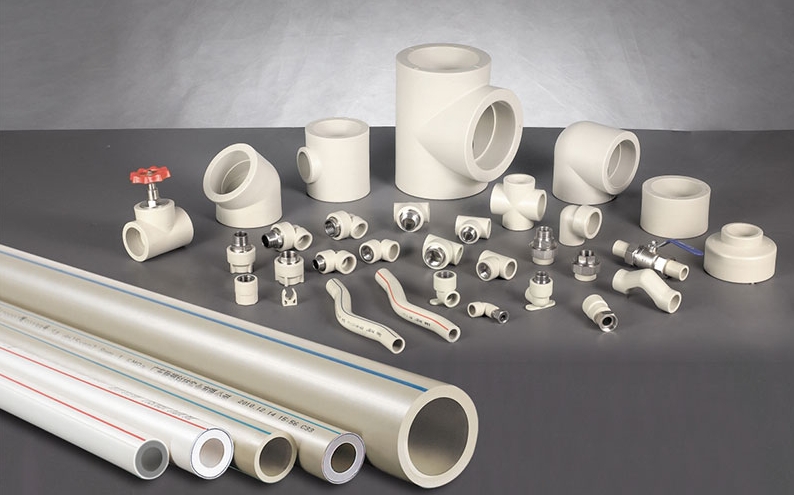
Qualified products will clearly mark the implementation standard, certification mark, specification parameters, manufacturer and other information on the pipe wall. Products with blurred, missing or no formal certification shall not be purchased.
4.Pay Attention to Production Process Details and Distinguish Quality from Details
Process details are an important embodiment of high-quality PPR hot water pipes, and small details directly reflect the strength and quality control level of the manufacturer:
1. Pipe wall flatness: The inner and outer walls of high-quality pipes are smooth and flat without bumps and burrs. A smooth inner wall can reduce water flow resistance and avoid scale adhesion;
2. Dimensional accuracy: The deviation of the outer diameter and wall thickness of the pipe must be controlled within the allowable range of the national standard. Excessive deviation will easily lead to loose hot melt connection and cause leakage;
3. Integrity of marking: The brand, specification, grade, implementation standard, production date and other marks on the pipe wall must be printed clearly and not easy to fall off. The marks of inferior products are mostly blurred and easy to fall off, and even lack core information.
5.Match Accessories of the Same Brand and Quality, Reject Mixed Use
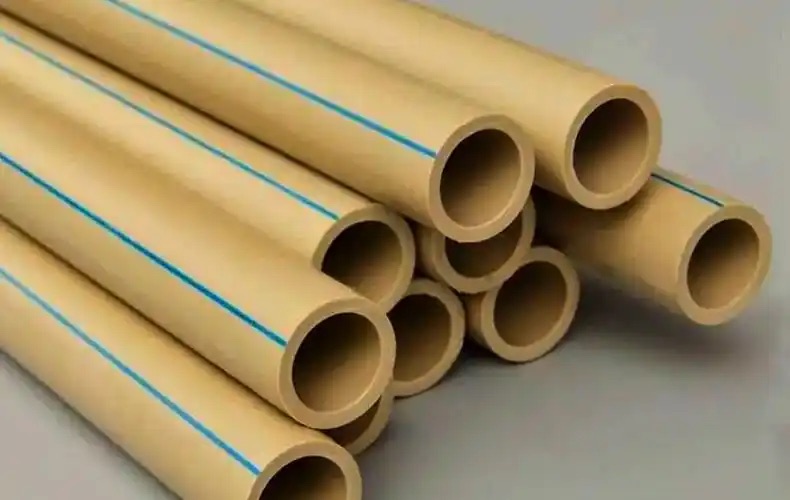
The stability of the water supply system of PPR hot water pipes depends not only on the pipes but also on the quality of matching accessories. It is necessary to choose special accessories of the same brand as the pipes, and mixed use of accessories of different brands and materials is strictly prohibited.
High-quality PPR hot water pipe accessories (elbows, tees, direct joints, stop valves, etc.) are produced with the same virgin materials as the pipes, with fully matched performance parameters and welding characteristics. The connection strength after hot melting is consistent with the pipe body; mixing accessories of different brands is easy to cause loose welding due to differences in raw material formulas and processes, which becomes a hidden danger of pipeline leakage. At the same time, the accessories must have the same compliance certifications and performance grades as the pipes to ensure the consistency of the entire pipeline system.
Conclusion
The core of selecting high-quality PPR hot water pipes is to “focus on raw materials, verify parameters, recognize certifications, check details and match the same brand”. Do not covet low prices to choose inferior products, otherwise, problems such as pipeline leakage, maintenance and rework will easily occur in the later period, which will instead increase the comprehensive cost. Whether it is residential decoration, commercial project construction or bulk procurement, following the above purchasing principles, you can select PPR hot water pipes with temperature and pressure resistance, safety and environmental protection, and long service life, ensuring the long-term stable operation of the hot water supply system.
Post time: Jan-27-2026
