In B2B procurement scenarios such as industrial fluid transportation, commercial building water supply and drainage, and central heating systems, PPR pipes have become the mainstream alternative to traditional metal pipes due to their high temperature resistance, corrosion resistance, and firm connection performance. However, products from different manufacturers vary significantly in raw material purity, process standards, and certification compliance. Choosing the wrong pipes will not only increase construction costs but also lead to subsequent hidden dangers such as pipe leakage and system failures. As B2B buyers, it is essential to strictly screen from four core dimensions: compliance certification, raw material quality, performance parameters, and supporting services to ensure that the purchased PPR pipes meet the project requirements.
1.Prioritize Compliance Certification Checks to Meet Industry and Regional Standards
B2B procurement is related to project acceptance, so compliance certification is the primary threshold for PPR pipes to enter the market, and corresponding standards need to be matched according to the usage scenarios.
For drinking water transportation scenarios, it is necessary to confirm that the product has passed the NSF/ANSI 61 certification, which ensures that no harmful substances are leached from the pipes during long-term use and meets the drinking water safety standards. If the pipes are applied to the European market or domestic export projects, it is required to verify the CE certification and the German DVGW certification, both of which are key documents for PPR pipes to circulate in the European building materials market.
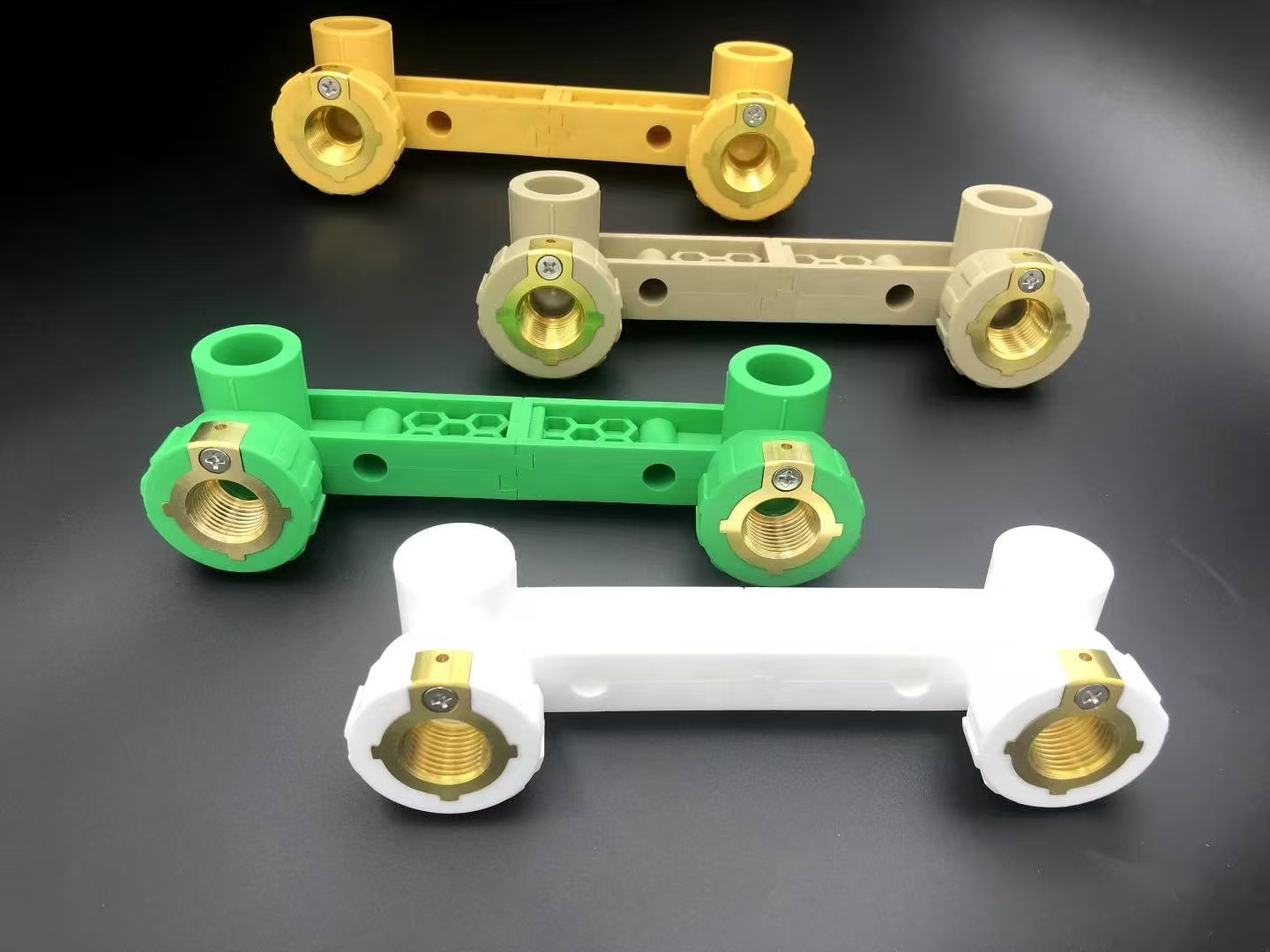
For industrial chemical fluid transportation, it is necessary to additionally confirm whether the product complies with the international standard ISO 15874, which clearly specifies the chemical resistance, pressure rating, and dimensional tolerance of PPR pipes. At the same time, for domestic procurement, it is necessary to check the national standard certification GB/T 18742 to avoid purchasing unstandardized products that may hinder project acceptance.
2.Strictly Control Raw Material Quality to Distinguish Between Virgin Materials and Recycled Materials
The performance of PPR pipes depends on the quality of raw materials. Most low-priced products on the market are made of recycled materials.
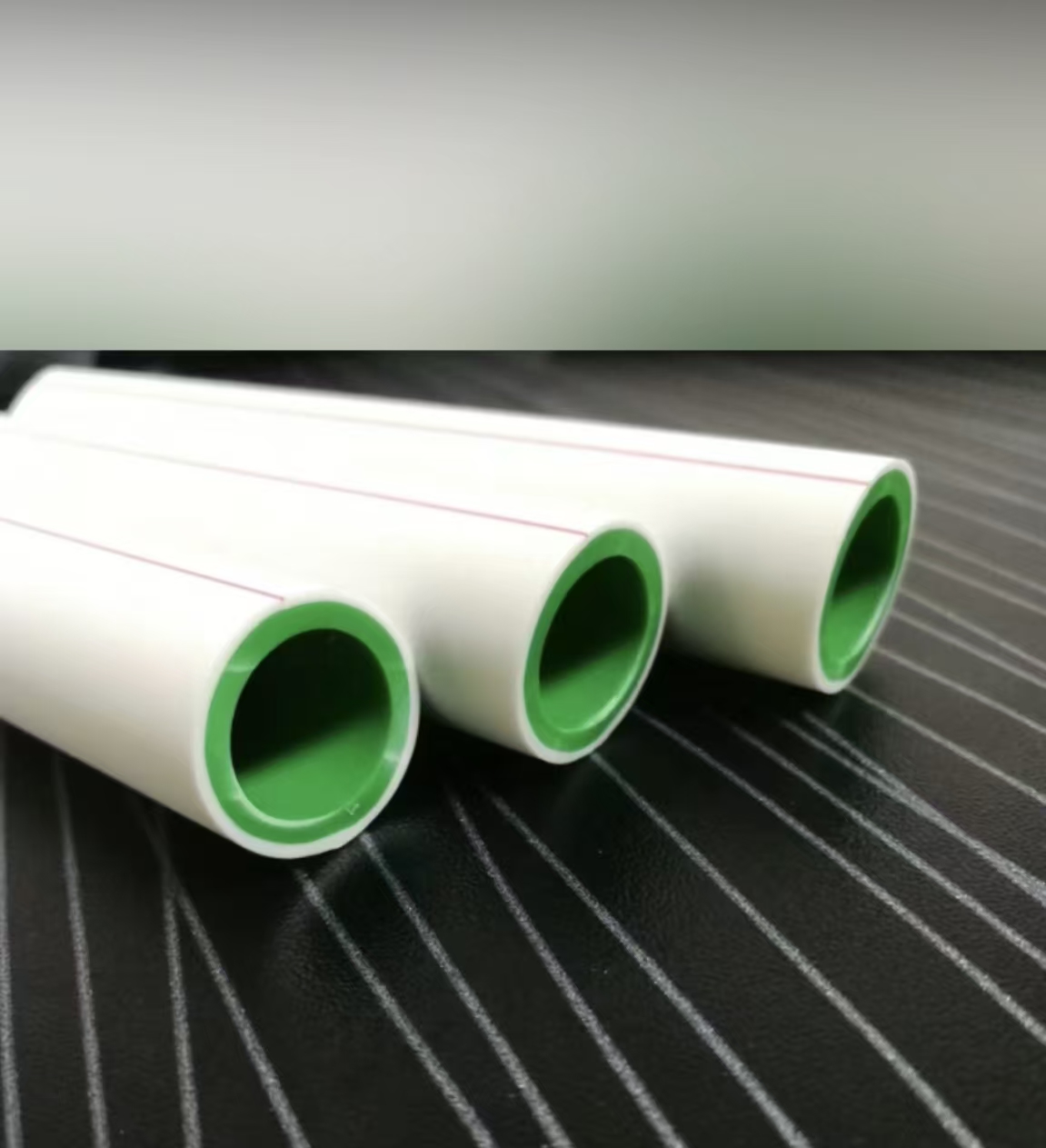
High-quality PPR pipes are made of 100% virgin random copolymer polypropylene raw materials. The pipe surface is uniformly matte white or gray, without defects such as yellowing, black spots, or impurities. The cross-section is flat and dense after cutting, without delamination or air bubbles. In contrast, pipes made of recycled materials have dull color, rough surface, and are prone to brittle cracking when bent. It is also necessary to confirm whether the raw materials contain UV stabilizers—this is directly related to the service life of the pipes in outdoor exposed and high-temperature environments, especially suitable for solar water heating systems and industrial high-temperature fluid transportation scenarios.
3.Verify Key Performance Parameters to Match the Actual Project Requirements
In B2B procurement, PPR pipes with suitable parameters should be selected according to specific working conditions to avoid “over-engineering” or “inferior substitution”, with a focus on three core parameters.
First is the temperature and pressure resistance rating. PPR pipes are divided into four series: S5, S4, S3.2, and S2.5, with increasing pressure-bearing capacity. The commonly used S3.2 series can withstand 70℃ hot water and 1.6MPa pressure, suitable for commercial building water supply and drainage. For industrial high-pressure scenarios, the S2.5 series is required to meet the 2.0MPa pressure resistance demand.
Second is the dimensional tolerance. Engineering construction has high requirements for the precision of pipe outer diameter and wall thickness. The dimensional deviation of high-quality PPR pipes should comply with the national standard range of ±0.3mm. Excessive deviation will lead to loose hot-melt connections and cause leakage.
Third is the thermal conductivity coefficient. PPR pipes used in heating systems should be products with low thermal conductivity. Matching with thermal insulation layers can reduce heat loss and lower the later operation and maintenance costs.
4.Focus on Suppliers’ Supporting Services to Ensure Procurement and Construction Efficiency
B2B procurement is different from retail, and the supporting services provided by suppliers directly affect the project progress, which is also an important consideration in procurement decisions.
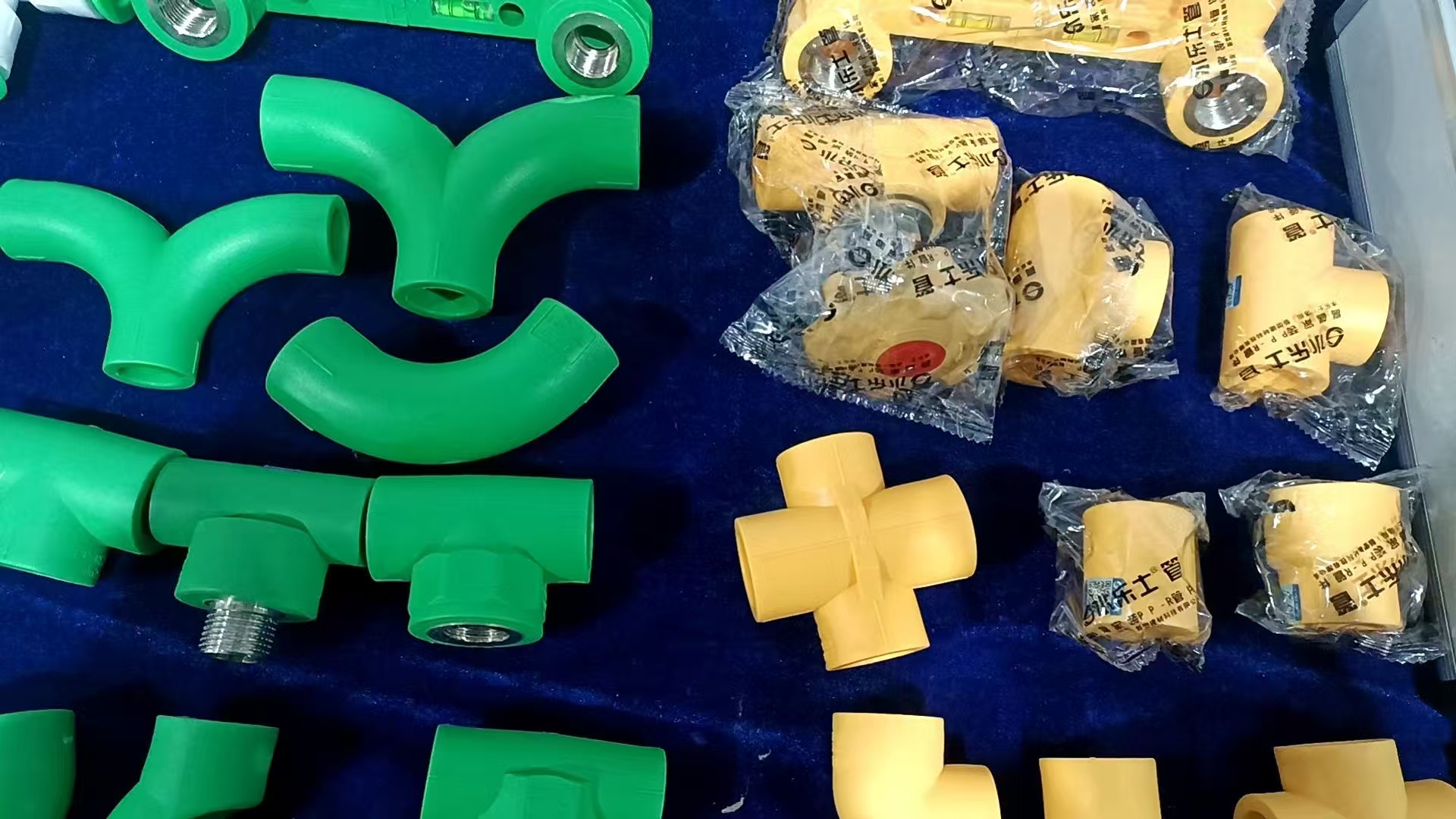
First of all, prioritize suppliers that can provide customized specifications, such as large-diameter pipes, reducing-diameter pipe fittings, and special hot-melt accessories, to avoid delaying construction due to mismatched accessories. Secondly, require suppliers to provide technical support, including construction scheme guidance and hot-melt welding process training. Especially for complex pipe network projects, professional technical services can greatly reduce the rate of construction errors.
Finally, verify the after-sales service terms. High-quality suppliers will provide a 50-year quality assurance commitment, along with a complete return and exchange policy and damaged parts replacement service, to solve the worries after procurement.
In conclusion, when selecting PPR pipes, B2B buyers should not only focus on the price but also conduct a comprehensive evaluation from four dimensions: compliance, raw materials, parameters, and services. Only by choosing suppliers with reliable quality and perfect services can the long-term stable operation of the project be guaranteed and the procurement goal of cost reduction and efficiency improvement be achieved.
Post time: Dec-23-2025
